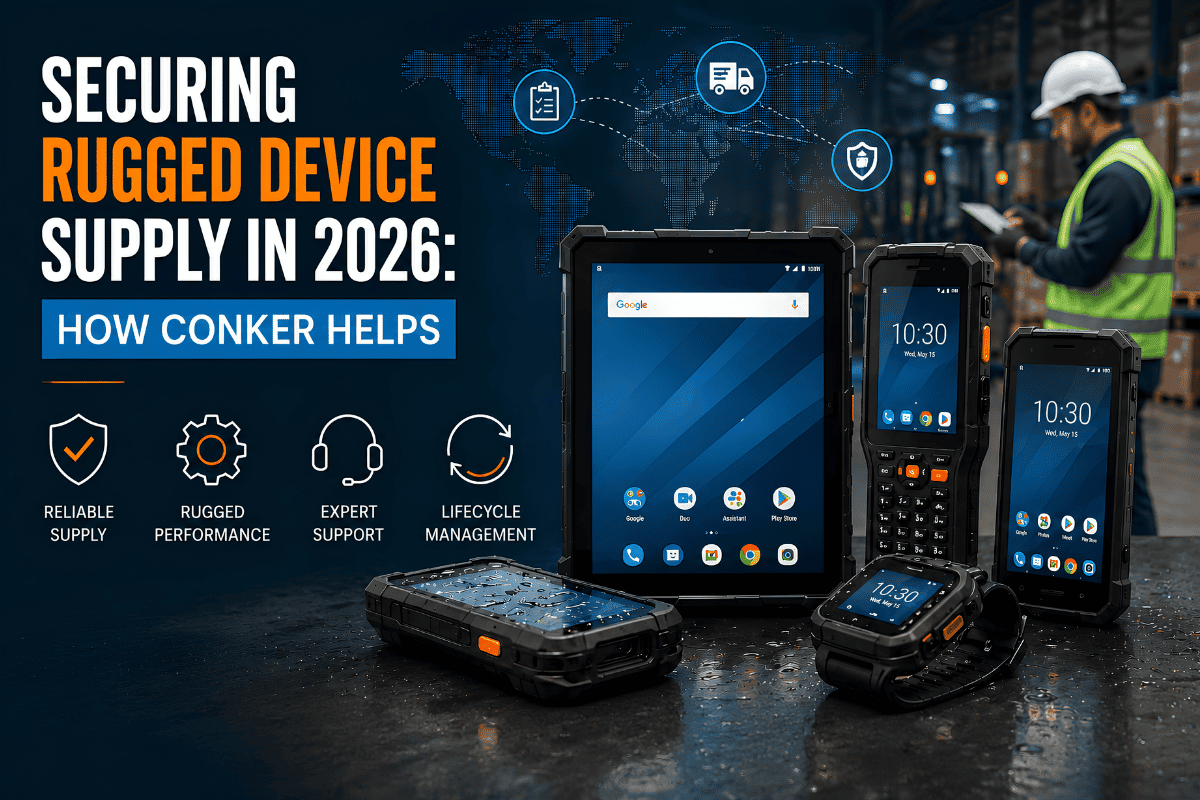
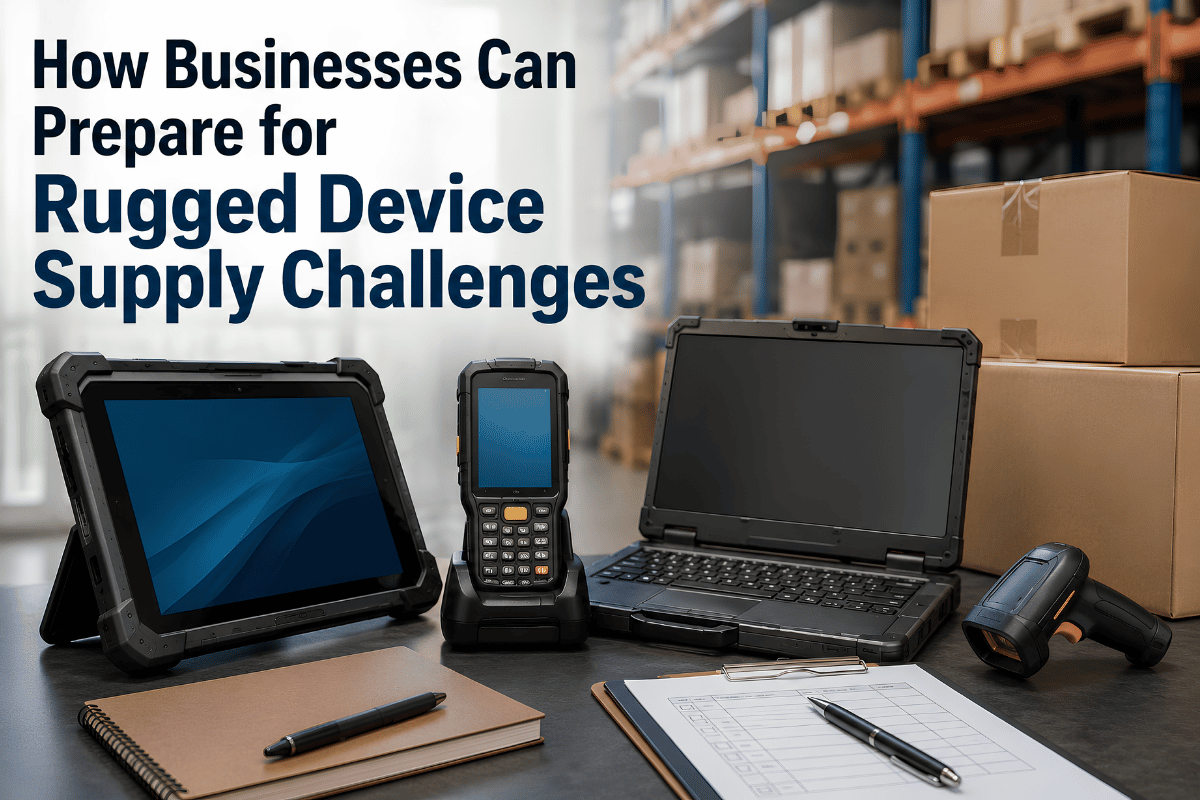
Radio Frequency (RF) scanners have revolutionized inventory management, logistics, and retail operations. By enabling wireless communication between devices and databases, these scanners provide real-time data, streamline workflows, and enhance operational efficiency. Businesses of all sizes are now leveraging RF technology to gain visibility into their inventory, reduce human errors, and optimize supply chains. In this article, we explore the different types of RF scanners, their applications, and how they can transform your operations.
What Are RF Scanners?
RF scanners are devices that transmit and receive radio signals to capture data from tags or barcodes. Unlike traditional scanners that require direct line-of-sight, RF scanners communicate wirelessly with a central system, allowing workers to scan items over longer distances and in challenging environments. This makes them essential in warehouses, retail stores, manufacturing facilities, and logistics hubs.
RF scanners work in conjunction with various technologies, including barcodes, RFID (Radio Frequency Identification), and NFC (Near Field Communication). Understanding the difference between these technologies can help businesses select the right scanner for their needs. For more insights, you can explore the Difference between NFC and RFID.
1. Handheld RF Scanners
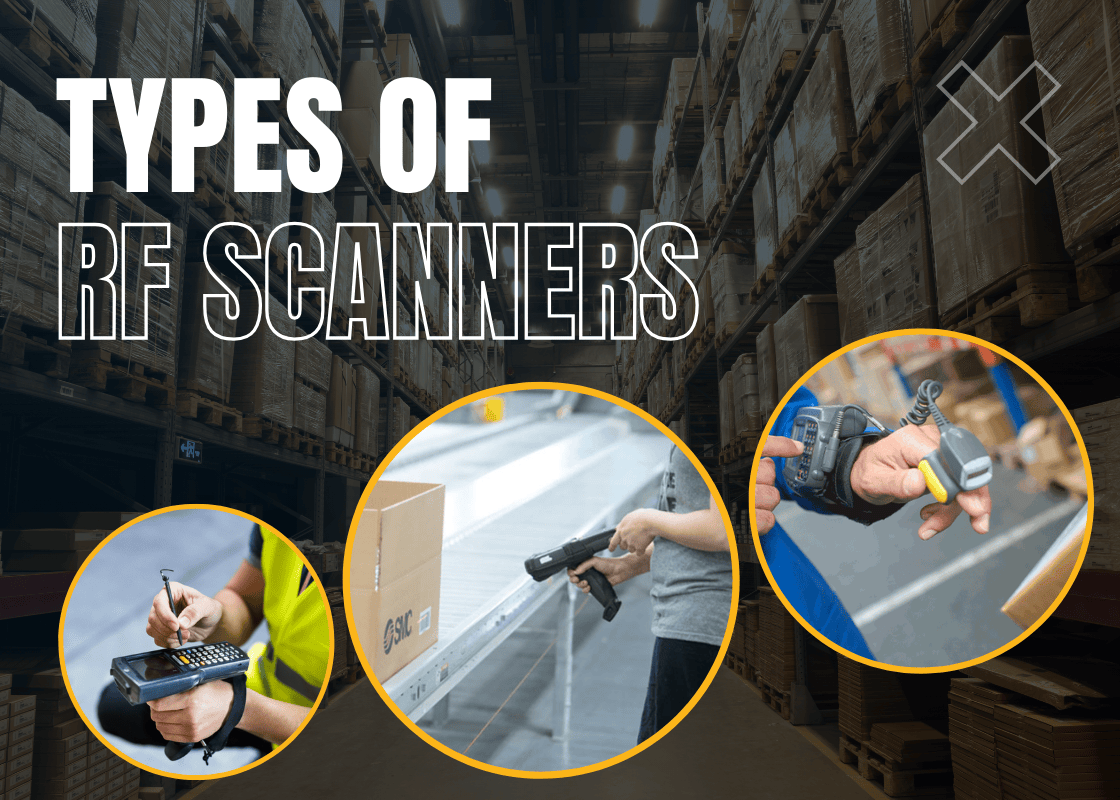
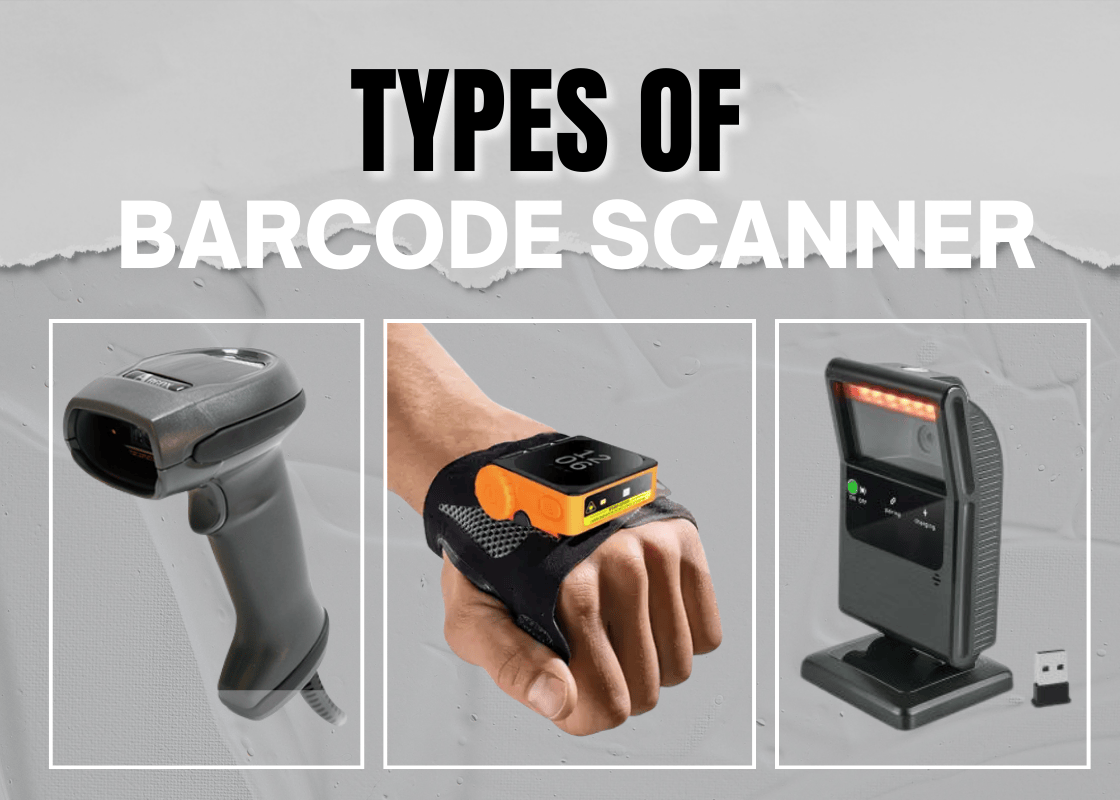
Handheld RF scanners are the most common type of RF device in warehouses, retail stores, and manufacturing floors. These scanners enable operators to walk around while scanning items, sending data to a central inventory system in real-time.
Key Features:
- Lightweight and portable for long shifts
- Ergonomic design to reduce fatigue
- High-speed scanning capabilities
- Ruggedized options for tough environments
Handheld RF scanners are often integrated with Rugged Handhelds that withstand drops, dust, and water exposure, making them ideal for demanding industrial settings.
Applications:
- Warehouse inventory tracking
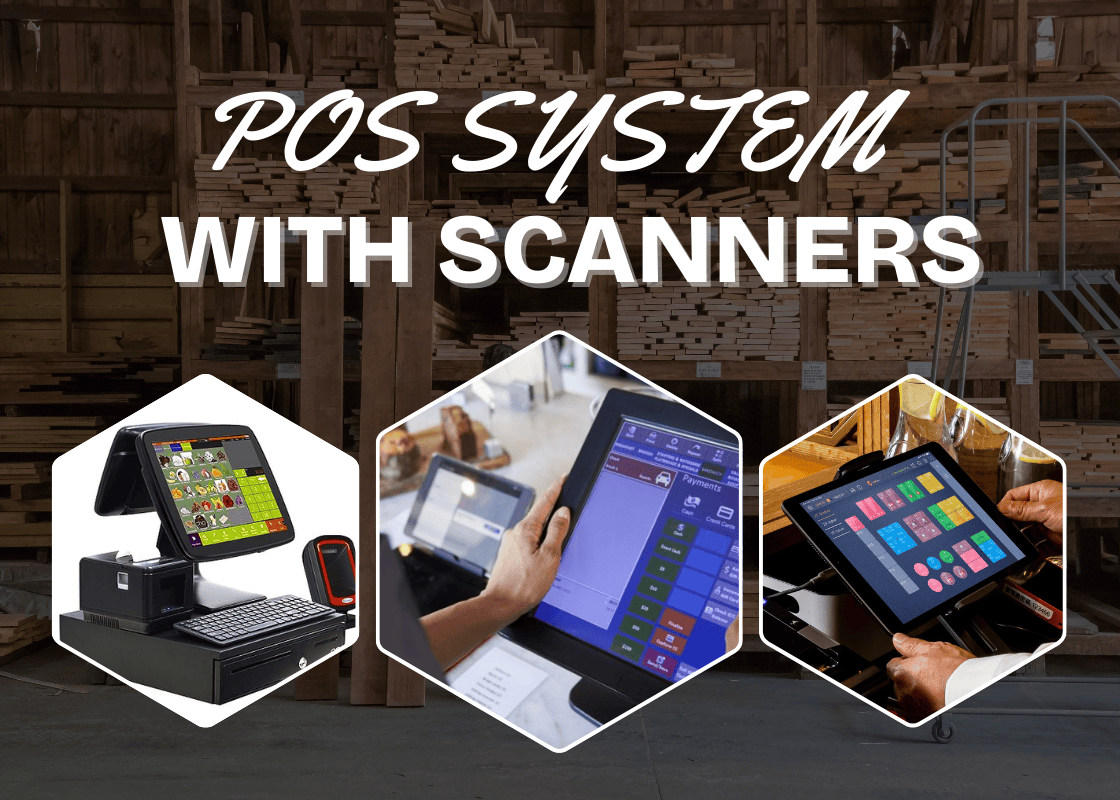
- Retail point-of-sale operations
- Manufacturing quality control
These devices combine convenience, durability, and speed, ensuring accurate data capture while keeping workers productive.
2. Wearable RF Scanners
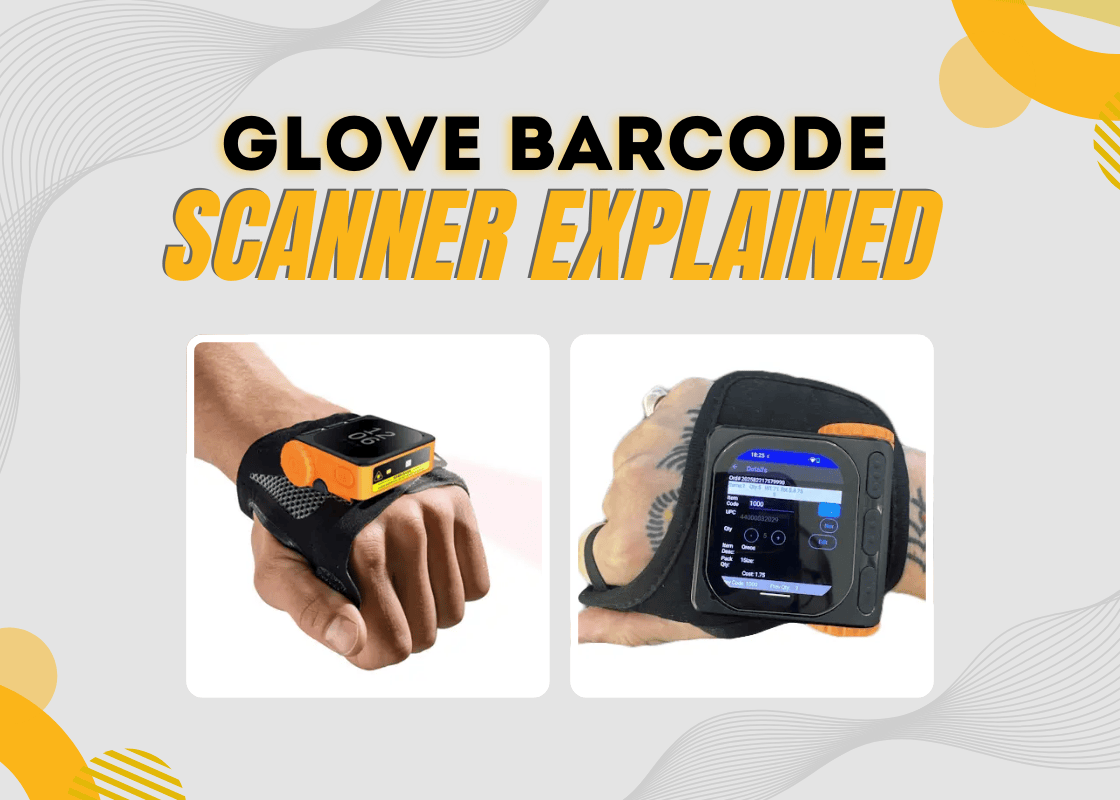
Wearable RF scanners are designed to enhance mobility and efficiency. Typically worn on the wrist or finger, these scanners allow operators to keep their hands free while scanning products.
Advantages:
- Reduces the need to carry handheld devices
- Speeds up repetitive scanning tasks
- Improves accuracy and minimizes errors
Wearable scanners are perfect for fast-paced environments such as e-commerce fulfillment centers and large retail stores. Businesses looking to adopt these solutions can refer to our guide on Best Wearable Bluetooth Scanners for options designed for 2025 and beyond.
Applications:
- High-volume order picking
- Inventory audits
- Real-time stock management
By integrating wearable RF scanners, companies can significantly reduce scanning time while improving worker ergonomics and safety.
3. Fixed RF Scanners
Fixed RF scanners are stationary devices often mounted at strategic points, such as warehouse entrances, conveyor belts, or retail checkout areas. These scanners automatically capture data as items pass through their detection range.
Key Benefits:
- Hands-free operation
- High throughput for bulk scanning
- Reduces labor costs and human error
Applications:
- Automatic shipping and receiving
- Production line monitoring
- Retail self-checkout systems
Fixed RF scanners ensure that every item is accounted for without requiring manual scanning, making them ideal for businesses handling high volumes of products.
4. Mobile RF Terminals
Mobile RF terminals combine the features of handheld scanners with a full computing interface, providing advanced functionality such as data entry, reporting, and network communication. These terminals often run on Windows or Android operating systems and connect to back-end inventory systems in real time.
Advantages:
- Real-time data synchronization
- Multifunctional device: scanning, communication, and computing
- Supports multiple barcode and RFID formats
Applications:
- Complex warehouse management
- Fleet inventory tracking
- Field service operations
Mobile RF terminals are suitable for businesses that require more than just scanning, allowing workers to manage inventory, access data, and perform tasks efficiently on a single device.
5. RFID RF Scanners
RFID RF scanners use radio frequency to read information stored in RFID tags. Unlike barcode scanners, RFID scanners do not require direct line of sight and can capture multiple tags simultaneously.
Key Benefits:
- Long-range scanning capabilities
- Bulk item reading
- Enhanced data accuracy
For businesses exploring RFID technology, understanding the Barcode scanners and RFID Technology is crucial. RFID scanners are particularly effective in inventory management, asset tracking, and logistics, where traditional barcodes may be cumbersome.
Applications:
- Supply chain management
- Asset and equipment tracking
- Retail loss prevention
RFID RF scanners provide businesses with unparalleled visibility into their inventory, enabling better decision-making and operational efficiency.
How to Choose the Right RF Scanner
Selecting the right RF scanner depends on your business needs, workflow, and environment. Consider the following factors:
- Environment: Rugged environments require durable, industrial-grade devices
- Volume: High-volume operations may benefit from fixed or RFID scanners
- Mobility: Handheld or wearable scanners enhance worker flexibility
- Integration: Ensure compatibility with existing inventory systems
By evaluating these factors, businesses can invest in RF scanners that maximize productivity and ROI.
Benefits of Implementing RF Scanners
The adoption of RF scanners offers multiple advantages, driving efficiency, accuracy, and cost savings:
- Real-Time Inventory Visibility – Track stock levels instantly, reducing out-of-stock or overstock situations
- Reduced Human Errors – Automated data capture minimizes mistakes
- Increased Worker Productivity – Mobile and wearable scanners save time and improve ergonomics
- Enhanced Customer Satisfaction – Accurate inventory ensures products are available when needed
- Cost Efficiency – Optimized operations lower labor and operational expenses
Investing in RF scanners is not just about technology; it’s about creating smarter workflows, empowering employees, and delivering superior service.
Future of RF Scanners
RF scanner technology continues to evolve with innovations such as cloud-based management, AI integration, and IoT connectivity. These advancements allow businesses to:
- Monitor inventory remotely
- Predict stock needs using AI analytics
- Automate warehouse operations for efficiency and safety
Businesses that adopt advanced RF scanning technologies can stay competitive and future-proof their operations.
Frequently Asked Questions (FAQs)
What is the difference between RFID and RF scanners?
RF scanners are devices that capture data wirelessly, while RFID refers to the technology used to store and transmit information via tags. RFID scanners are a subset of RF scanners specialized for reading RFID tags.
Can RF scanners work in harsh environments?
Yes. Many RF scanners are designed with rugged housing to resist drops, dust, and water, making them suitable for warehouses, manufacturing floors, and outdoor use.
Are wearable RF scanners better than handheld scanners?
Wearable scanners improve speed and ergonomics for repetitive tasks, while handheld scanners offer more flexibility and functionality. The choice depends on the workflow and operational needs.
How do RF scanners improve accuracy?
By capturing data electronically and sending it directly to a central system, RF scanners eliminate manual entry errors, ensuring reliable inventory records.
Can RF scanners read multiple items at once?
Yes, particularly RFID RF scanners, which can read multiple tags simultaneously without line-of-sight, streamlining high-volume operations.
Conclusion
RF scanners have revolutionized inventory management, asset tracking, and workflow optimization. From handheld to wearable and fixed devices, each type offers unique benefits. Integrating RF scanners with technologies like RFID boosts accuracy, real-time visibility, and productivity. Investing in solutions such as Rugged Handhelds empowers your workforce, streamlines operations, and drives efficiency. RF scanners are more than tools; they are strategic assets for growth and operational excellence.