In industries like warehousing, logistics, manufacturing, and retail, speed and accuracy determine performance. Every second saved during scanning compounds into real gains in productivity, safety, and worker satisfaction. Glove barcode scanners are transforming workflows, allowing teams to work faster, safer, and smarter.
This guide explains glove barcode scanners in clear, practical terms. Written by industry specialists who work daily with rugged devices and wearable scanning systems, it provides insights into how these devices operate, why businesses adopt them, and how advanced solutions like the Conker BG3 are changing the shopfloor.
What Is a Glove Barcode Scanner
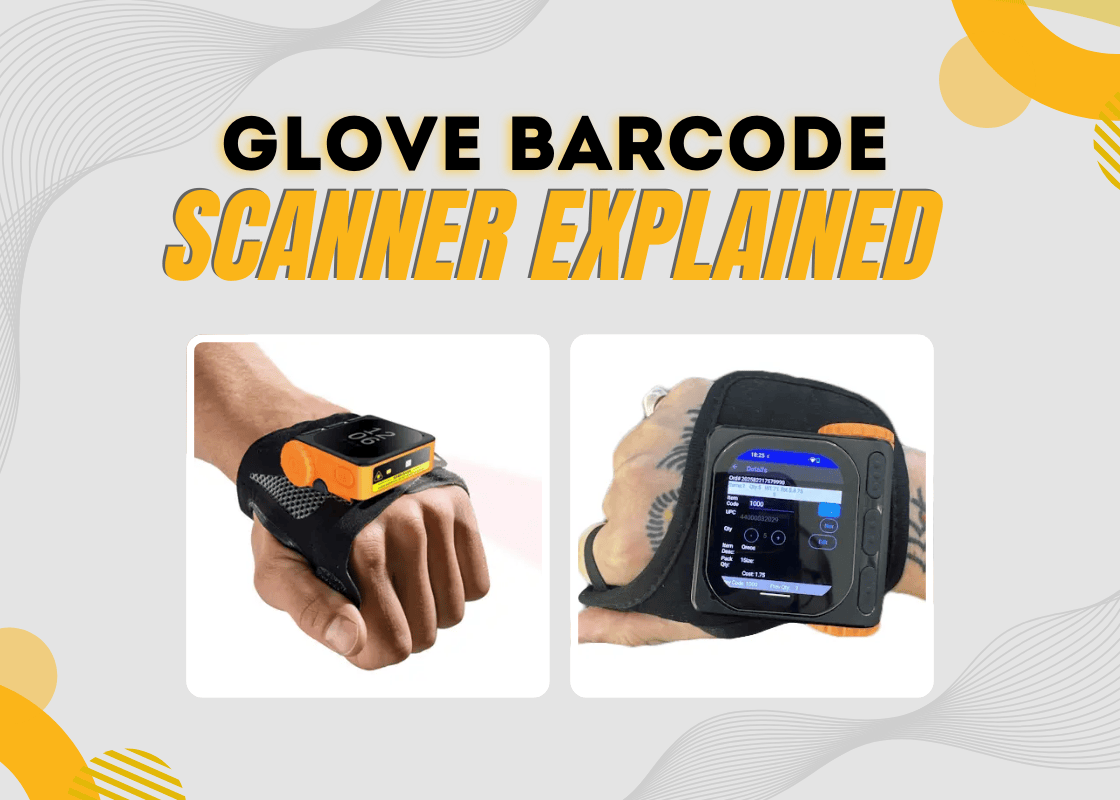
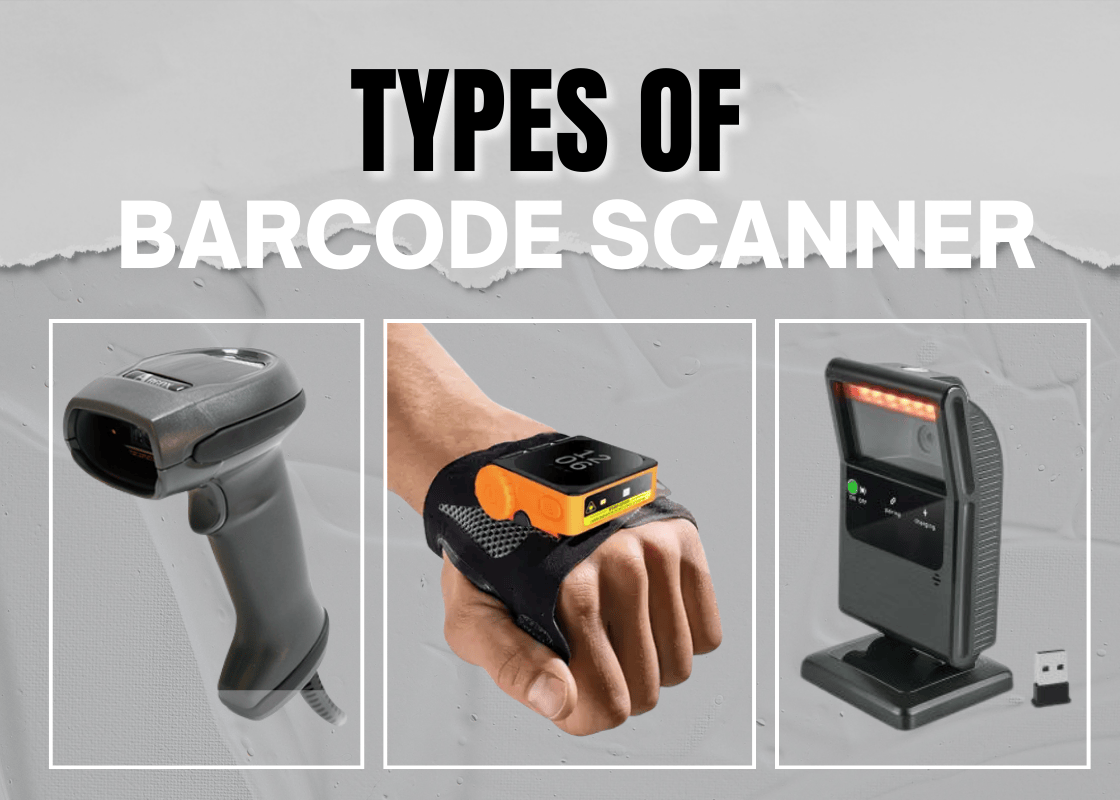
A glove barcode scanner is a wearable device mounted on the hand or a glove, enabling workers to scan items without interrupting other tasks. Unlike traditional handheld scanners, these devices allow employees to pick, pack, sort, and assemble while keeping both hands free.
Modern glove scanners are triggered with a simple thumb press or finger tap and connect wirelessly to tablets, wearable computers, or warehouse management systems. This hands-free design improves accuracy, reduces interruptions, and minimizes fatigue, helping employees maintain focus and efficiency throughout the day.
How Glove Barcode Scanners Work
Glove barcode scanners operate through a straightforward yet powerful system. An optical sensor captures the barcode, which is then transmitted via Bluetooth to a paired device. Workers receive immediate feedback through visual displays, audio signals, or vibrations.
These devices are designed to:
- Read 1D and 2D barcodes
- Scan at both short and medium distances
- Handle rapid multi-scan tasks
- Integrate with WMS, ERP, and inventory systems
Human factors research confirms that hands-free devices reduce physical strain and cognitive load compared to handheld alternatives, resulting in fewer errors and faster task completion.
Why Businesses Are Adopting Glove Scanners
Handheld scanners have served businesses well, but glove barcode scanners bring a higher level of operational efficiency. By keeping hands free, these devices reduce downtime, prevent dropped equipment, and minimize repetitive strain injuries.
Organizations adopting wearable scanners have observed measurable benefits:
- Faster pick and pack cycles
- Reduced errors and improved accuracy
- Less wrist and arm fatigue
- Increased worker focus and productivity
For a detailed explanation of these advantages, the article on Benefits of Wearable Barcode Scanners highlights how wearable technology improves speed, safety, and efficiency across industries.
Industries Benefiting from Glove Barcode Scanners
Glove barcode scanners are particularly valuable in environments where speed, accuracy, and safety are critical. In warehouses and distribution centers, employees can scan items continuously while picking and packing. In manufacturing, operators track components and maintain traceability without putting down tools. Retail stockrooms benefit from quicker inventory updates, and logistics teams process parcels faster, even in mobile conditions.
Across all sectors, the adoption of wearable scanning technology has consistently led to improved productivity and reduced errors.
Key Features of a Reliable Glove Barcode Scanner
When selecting a glove scanner, several factors determine its reliability and effectiveness. High-quality devices are designed to read damaged or poorly printed barcodes, operate for an entire shift on a single charge, and offer ergonomic comfort for extended wear.
Durability is critical; devices must withstand drops, dust, and moisture while maintaining consistent performance. Compatibility with Android systems and enterprise applications ensures smooth integration and secure data handling.
Android-Powered Wearables and the Future of Scanning
Modern glove scanners increasingly use Android-based wearable computers. This approach provides real-time data access, seamless software integration, and secure device management. Android wearables also support custom enterprise applications, allowing teams to scale operations efficiently.
For businesses exploring advanced scanning technologies, the Best Wearable Bluetooth Scanners guide offers an overview of the latest devices and market-leading solutions.
Conker BG3 Wearable Scanner: Efficiency Meets Rugged Design
The Conker BG3 Wearable Android Scanner represents a new era in scanning technology. Designed specifically for fast-paced warehouse, retail, and manufacturing environments, it empowers workers to move faster, reduce errors, and stay focused throughout their shifts. Unlike traditional handheld scanners, the BG3 is worn comfortably on the body, removing the fatigue associated with carrying a device all day.
The BG3 is more than just a scanner; it’s a complete productivity solution. Its compact, rugged design and intuitive interface make it easier for teams to access the data they need without slowing down workflows. Workers can scan items, validate information, and receive instant feedback, all while keeping both hands free for essential tasks.
Key benefits and features of the Conker BG3 include:
- Ergonomic and lightweight design: Comfortable for long shifts, reducing wrist and arm strain.
- 2-inch high-visibility display: Shows only the data that matters, helping workers make faster, accurate decisions.
- Android-powered system: Enables real-time access to apps, secure device management, and smooth integration with enterprise software.
- Rugged durability: Built to handle drops, dust, and moisture, ensuring reliable performance in challenging environments.
- Efficiency-focused workflows: Instant data delivery helps workers scan faster and complete tasks more accurately.
By combining wearable convenience with powerful Android functionality, the BG3 ensures teams can operate at peak efficiency. Businesses using the BG3 report faster scanning cycles, fewer errors, and better staff satisfaction. For more details, explore the Conker BG3 Wearable Android Scanner product page.
How Glove Scanners Improve Safety and Efficiency
Hands-free scanning enhances worker safety by keeping both hands available, improving balance, grip, and spatial awareness. Ergonomic designs reduce wrist strain and repetitive motion injuries, while simplified interfaces and quick scan access reduce cognitive load. Over time, these benefits lead to fewer workplace accidents, higher staff retention, and a more productive workforce.
Choosing the Right Glove Barcode Scanner
Selecting the best device requires understanding workflow requirements, environmental conditions, and integration needs. Consider factors like the volume of scans per shift, visual or audio feedback requirements, and ergonomic comfort for long shifts. For guidance, the Top 5 Glove Barcode Scanners article provides a detailed comparison to help businesses make informed choices.
Integration and IT Considerations
Modern glove scanners are designed for seamless integration into enterprise systems. They support secure authentication, over-the-air updates, API-based software connections, and Android device management. From an IT perspective, wearable scanners reduce support overhead, minimize device loss, and ensure accurate real-time data collection across operations.
Future Trends in Glove Barcode Scanning
The wearable scanning industry is rapidly evolving. Emerging trends include AI-assisted scan guidance, voice-enabled workflows, and advanced analytics from scan data. Devices are becoming smarter and more intuitive, allowing businesses to achieve higher productivity with leaner teams. Glove barcode scanners are central to digital transformation on the shopfloor, helping companies stay competitive and efficient.
Frequently Asked Questions (FAQs)
What is the main advantage of a glove barcode scanner?
It allows hands-free scanning, enabling faster, more accurate work while reducing fatigue.
Are glove barcode scanners better than handheld scanners?
For high-volume environments, glove scanners improve workflow speed, safety, and worker comfort.
Do glove barcode scanners work with Android devices?
Yes, modern solutions like the Conker BG3 are fully compatible with Android enterprise systems.
Can glove scanners read damaged barcodes?
High-quality scanners are optimized to read worn or poorly printed barcodes in real-world conditions.
Are glove barcode scanners comfortable for full shifts?
Yes, ergonomic, lightweight designs make them suitable for long-term wear while reducing strain.
Conclusion
Glove barcode scanners have evolved into essential productivity tools. Combining hands-free convenience, ergonomic design, and Android-powered intelligence, devices like the Conker BG3 are transforming the way workers interact with data on the shopfloor. Businesses focused on speed, accuracy, and workforce well-being see wearable scanners as a vital investment for efficiency, safety, and growth.