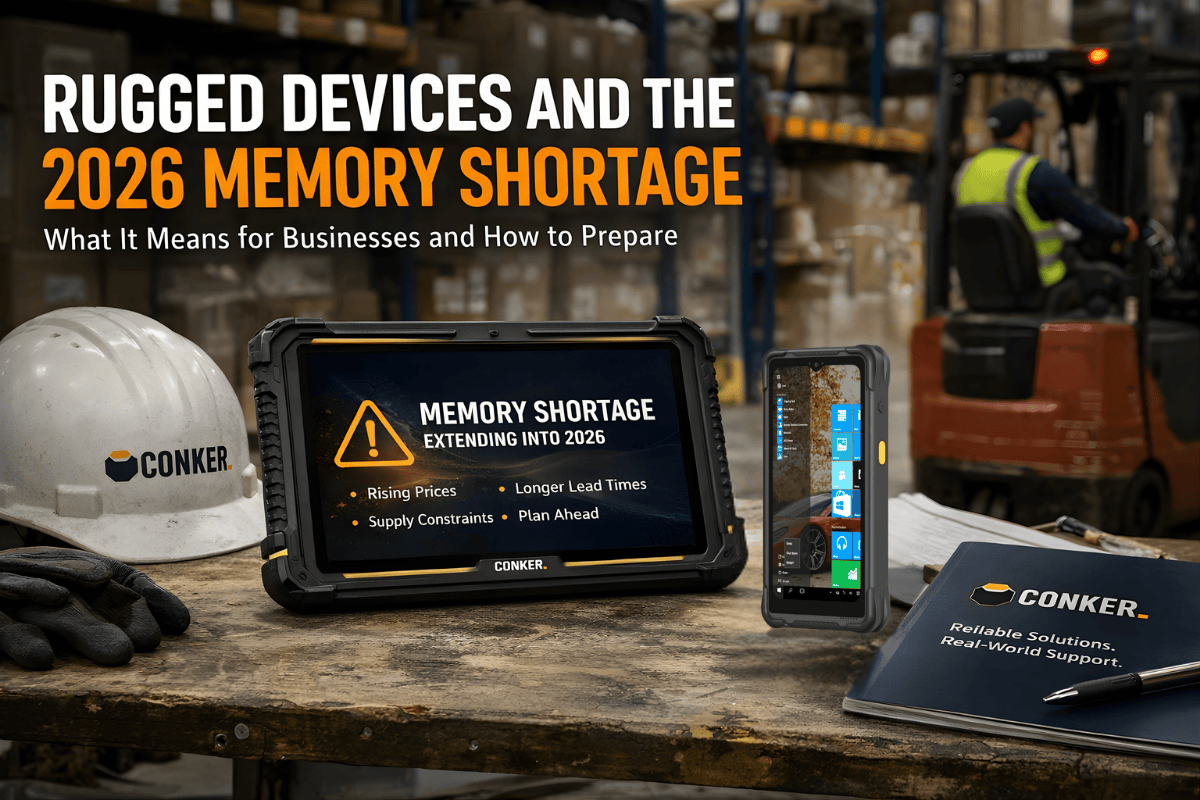
The global memory shortage experienced in 2026 is presenting various challenges to many sectors. This shortage, mainly attributed to the high demand for AI infrastructure, is resulting in disruptions in the supply chain for DRAM and NAND memory devices. Even though the memory shortage is discussed about gadgets such as smartphones and gaming devices, the impact is also enormous on rugged devices used in the warehousing, logistics, manufacturing, and operations sectors. Rugged devices such as rugged tablets, handheld devices, Android devices, and Windows devices are the backbone of many businesses; therefore, it is important to consider the long-term effects of the memory shortage on your business.
What’s Driving the Memory Shortage in 2026?
At the core of the 2026 memory shortage is the rising demand from artificial intelligence (AI) infrastructure. The global shift towards AI-driven solutions is generating a huge demand for high-bandwidth memory (HBM) solutions, which is given a high priority compared to traditional memory used in conventional consumer electronics and industrial applications. As more and more businesses and cloud players invest heavily in AI-driven solutions, memory players are shifting their focus towards fulfilling the growing demand for high-bandwidth memory solutions.
Memory suppliers like Micron, SK hynix, and Samsung are working to increase their production capacity, but they are struggling to meet the skyrocketing demand. According to reports from IDC and TrendForce, DRAM and NAND supply growth for 2026 is expected to stay below historical norms, with growth forecasts of just 16% for DRAM and 17% for NAND. This means the supply of these critical components for rugged devices is not expected to catch up with demand in the short term, causing significant issues for device procurement and pricing.
What Are Rugged Device Buyers Feeling Now?
As the memory shortage continues to unfold, rugged device buyers are already beginning to experience the effects of this tightening supply chain. Several key challenges are becoming apparent in the market:
1. Pricing Instability
One of the most immediate and noticeable effects of the memory shortage is the sharp increase in prices. As memory components become more difficult to source, the cost of rugged devices is rising. According to TrendForce, DRAM contract prices have already risen by 55-60% in early 2026, while NAND prices have increased by 33-38%. These price hikes are putting pressure on procurement budgets and making it difficult for businesses to maintain cost-effective fleets of rugged devices.
Additionally, quoting validity periods are becoming shorter, which means businesses that need to buy rugged devices may be faced with rapidly changing pricing, making it harder to lock in costs for long-term projects.
2. Longer Lead Times
Another significant issue that buyers are facing is longer lead times for rugged devices. Due to the memory shortage, manufacturers are struggling to meet demand, which is causing delays in production and shipment. This is particularly problematic for businesses with urgent device rollouts or those that rely on a steady flow of devices to maintain operations.
Smaller programs or niche buyers, who do not have the buying power of larger enterprises, are at an even greater risk of delayed shipments. This delay can have a cascading effect on operations, especially for industries that rely heavily on rugged devices for mission-critical tasks.
3. Reduced Configuration Flexibility
With fewer memory components available, manufacturers are struggling to maintain flexibility in the configurations they offer. Rugged tablets, handheld devices, and other industrial devices often require specific configurations of memory and storage to meet the needs of businesses in sectors like logistics, field service, and warehousing. As memory supply tightens, the availability of higher-memory configurations is becoming more limited.
For businesses that require specific memory configurations for their devices, this shortage presents a significant challenge. The inability to source the right configurations can delay deployment, increase operational downtime, and lead to complications down the line when devices cannot be upgraded or replaced with the same specifications.
4. Prioritization for Larger Buyers
Larger vendors with more buying power are better positioned to weather the storm of memory shortages. Micron’s recent exit from the consumer business in favor of focusing on larger strategic accounts is an example of how suppliers are prioritizing bigger customers. This means that smaller organizations, or those with lower volume orders, are likely to find themselves pushed to the back of the line when it comes to procurement.
For companies with smaller device fleets or less bargaining power, this means they could face even longer delays and higher prices, making it more difficult to meet their operational needs.
Why Rugged Devices Are Particularly Affected
Rugged devices are uniquely vulnerable to the memory shortage for several reasons. These devices, which include rugged tablets, handhelds, and vehicle-mounted systems, are built for long-term use in harsh environments, such as warehouses, construction sites, and industrial settings. Unlike consumer devices that are often replaced on a regular cycle, rugged devices are expected to perform reliably for 3 to 5 years or longer. This long lifecycle can create complications when manufacturers run into supply issues, as it becomes harder to replace devices on a one-to-one basis.
1. Long Lifecycle Expectations
Because rugged devices are designed to last longer, businesses rely on the ability to maintain a consistent fleet over the long term. This often involves sourcing devices with specific configurations that meet operational needs. However, as memory supply becomes more restricted, it is becoming more difficult to replace old devices with newer models that have the same specifications. This makes fleet management and refresh cycles much more challenging.
2. Harder to Replace Like-for-Like Devices
As rugged device manufacturers struggle with memory shortages, it is increasingly difficult to replace devices with the same model or configuration. This is especially problematic for businesses that rely on a consistent set of devices across their fleet. When a device needs to be replaced or repaired, there is a risk that the same configuration will not be available, leading to issues with compatibility and increased operational downtime.
3. Increased Fleet Refresh Costs
Rising prices for rugged devices due to the memory shortage are making fleet refreshes more expensive. For businesses that are used to replacing their devices every few years, this price increase can have a significant impact on budgets. What was once a predictable expense is now becoming a costlier, unpredictable challenge. This may lead businesses to delay refreshing their fleets, which could, in turn, lead to higher failure rates and operational disruptions.
4. Compatibility Issues
In addition to rising prices and delayed availability, there is the risk of compatibility issues when devices are replaced or upgraded. Rugged devices are often customized for specific workflows, and any changes in memory or storage configurations can lead to compatibility problems. This could result in software issues, a decrease in device performance, or even the need for software updates to accommodate new hardware.
2026–2027 Forecast: What Organisations Should Anticipate
Experts predict that the memory shortage will continue to impact rugged device procurement well into 2026 and possibly beyond. With suppliers focusing on AI and enterprise demand, it is unlikely that traditional device markets will see immediate relief. The demand for memory is expected to remain high, and production capacity will likely stay constrained for the foreseeable future.
What Businesses Should Do Now
The best way for businesses to navigate the 2026 memory shortage is by planning. Here are some key actions that can help mitigate the risks and ensure a stable supply of rugged devices:
- Plan Procurement Earlier: Begin the procurement process as early as possible to avoid delays and price increases. This will give you a better chance of securing the devices you need at a stable price. At Conker, we offer UK-based stock availability, helping you plan and secure your rugged devices when you need them most, minimizing delays and ensuring more predictable pricing.
- Standardize Device Configurations: Standardizing your rugged device fleet will make it easier to source replacement devices, reducing the impact of supply shortages and minimizing the risk of operational disruption.
- Build Spare Device Pools: Having a stock of spare devices available will help ensure that your business can maintain operations even if there are delays or issues with procurement.
- Review Lifecycle and Refresh Strategies: Businesses should take the time to evaluate their device lifecycle and refresh strategies, ensuring that they have a plan in place to address the impact of the memory shortage on long-term device availability.
- Work with Reliable Suppliers: Partner with suppliers who offer strong stock availability, reliable repair services, and long-term lifecycle support to ensure that your fleet remains operational.
How Conker Helps
At Conker, we understand the challenges businesses face in this tight market. We offer UK-based stock availability, UK repair services, and flexible leasing options to help you secure the devices you need while minimizing downtime. Our rugged Android, Windows, and Linux devices are built to last, and our managed services ensure your devices remain operational throughout their lifecycle.
Conclusion
The 2026 memory shortage is a procurement and operational risk that businesses need to address now. By planning earlier, standardizing configurations, and securing stock, businesses can reduce the impact of the memory shortage on their rugged device fleets. Talk to Conker today about planning your next device rollout, securing stock, and reducing supply risk.