Modern businesses rely heavily on mobile technology to keep operations running efficiently. Warehouses use barcode scanners for inventory management, logistics teams depend on rugged tablets for deliveries, and field workers rely on handheld devices for real-time communication.
However, many organizations unknowingly create operational problems by managing mixed device fleets made up of different brands, operating systems, hardware generations, and configurations.
While purchasing devices from multiple vendors may seem flexible in the short term, inconsistent hardware often increases IT complexity, operational costs, security risks, and downtime over time.
As enterprise mobility continues evolving in 2026, businesses are beginning to realize that standardization is essential for scalability, reliability, and long-term efficiency.
What Is a Mixed Device Fleet?
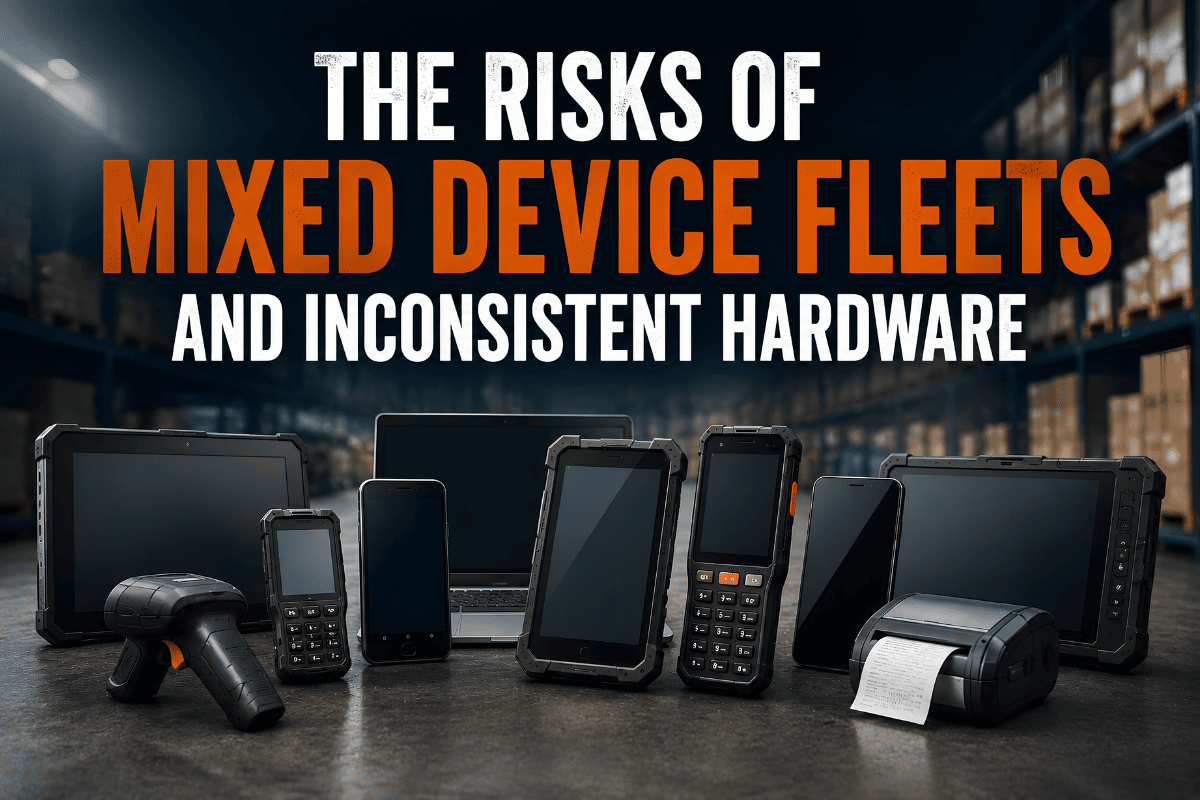
A mixed device fleet refers to an organization using multiple types of devices from different manufacturers and software ecosystems.
This may include combinations such as:
- Android and Windows devices
- Multiple rugged tablet brands
- Different barcode scanners
- Various operating system versions
- Consumer and rugged devices together
- Inconsistent accessories and charging systems
Mixed fleets usually develop gradually as businesses purchase devices reactively instead of following a long-term procurement strategy.
Why Businesses End Up with Inconsistent Hardware
Many organizations do not intentionally create mixed fleets. Instead, hardware inconsistency often happens due to operational pressure and short-term decision-making.
Supply Chain Shortages
When preferred devices become unavailable, businesses may purchase alternative hardware simply to keep operations moving.
Department-Level Purchasing
Different departments sometimes choose their own devices independently without company-wide IT standards.
Legacy Hardware
Older devices may remain in use alongside newer hardware because replacing entire fleets can be expensive.
Budget Constraints
Organizations occasionally buy lower-cost devices without considering long-term compatibility and support requirements.
Rapid Business Growth
Fast-growing businesses may scale operations more quickly than their technology strategy can adapt.
Over time, these decisions create fragmented device ecosystems that become difficult to manage efficiently.
The Biggest Risks of Mixed Device Fleets
Mixed device environments introduce several operational and technical risks that can impact productivity and profitability.
Increased IT Complexity
Supporting multiple device models creates additional pressure for IT teams.
Each device may require:
- Different software updates
- Separate drivers
- Unique accessories
- Individual troubleshooting processes
- Different security policies
This increases administrative workload and slows issue resolution.
Businesses with standardized hardware fleets usually experience faster deployments and simpler support processes.
Higher Security Risks
Security becomes significantly harder to manage across inconsistent hardware environments.
Older or unsupported devices may:
- Miss critical security updates
- Use outdated operating systems
- Lacks modern encryption features
- Create vulnerabilities within enterprise networks
When businesses manage several operating systems and hardware vendors simultaneously, maintaining consistent security policies becomes much more difficult.
This is especially concerning for industries handling sensitive operational or customer data.
Productivity Challenges for Employees
Mixed device fleets often create inconsistent user experiences.
Employees may struggle with:
- Different interfaces
- Varying device performance
- Battery inconsistencies
- Accessory compatibility issues
- Workflow disruptions
For frontline teams working under time-sensitive conditions, these inconsistencies can reduce operational efficiency.
For example, warehouse workers using different scanner models may experience slower workflows due to inconsistent scanning performance and button layouts.
Increased Downtime
Inconsistent hardware usually leads to longer repair and replacement delays.
Businesses may face:
- Spare part shortages
- Accessory compatibility issues
- Vendor support delays
- Replacement device mismatches
This creates additional downtime that directly impacts productivity.
Organizations operating in logistics, manufacturing, and field service environments are especially vulnerable because operational continuity depends heavily on reliable mobile devices.
Higher Long-Term Costs
Many businesses assume mixed fleets save money because they can purchase cheaper devices when needed.
In reality, inconsistent hardware often increases long-term expenses through:
- Additional IT labor
- More frequent repairs
- Training inefficiencies
- Complex software management
- Downtime-related losses
- Shorter device lifecycles
Standardized hardware environments are usually more cost-effective over time.
Software Compatibility Issues
Enterprise applications are easier to manage in standardized environments.
Mixed fleets often create compatibility problems involving:
- Barcode scanning software
- Mobile Device Management platforms
- Custom enterprise apps
- Peripheral accessories
- Operating system updates
Software vendors may also provide limited support for fragmented hardware ecosystems.
This can delay updates and create operational bottlenecks.
Challenges with Mobile Device Management (MDM)
Mobile Device Management platforms help businesses monitor and secure enterprise devices remotely.
However, managing mixed fleets through MDM can become complicated because:
- Policies may vary between operating systems
- Security features differ across devices
- Update schedules become inconsistent
- Device enrollment processes vary
Businesses using standardized rugged hardware often achieve stronger security and easier device management.
Why Standardized Hardware Fleets Improve Operations
Businesses moving toward standardized rugged mobility strategies often experience major operational improvements.
Simplified IT Management
Standardized devices reduce troubleshooting complexity and simplify deployments.
IT teams can:
- Apply consistent configurations
- Manage updates more efficiently
- Reduce training requirements
- Streamline inventory management
Better Security Control
Consistent hardware environments improve:
- Device visibility
- Policy enforcement
- Software update management
- Endpoint security
Improved Employee Productivity
When employees use identical or similar devices, workflows become more predictable and efficient.
Training also becomes easier for new workers.
Faster Device Deployment
Standardized fleets simplify rollout processes because devices can be pre-configured and deployed at scale.
Why Rugged Devices Help Reduce Fleet Inconsistency
Many organizations are moving toward rugged device standardization because rugged hardware is designed for long-term operational stability.
Rugged devices typically offer:
- Longer lifecycles
- Better durability
- Enterprise-grade support
- Consistent hardware availability
- Lower failure rates
This helps businesses reduce fragmentation while improving reliability.
The Hidden Costs of Not Upgrading Fleet Technology include rising repair expenses, operational delays, outdated security systems, and reduced workforce productivity.
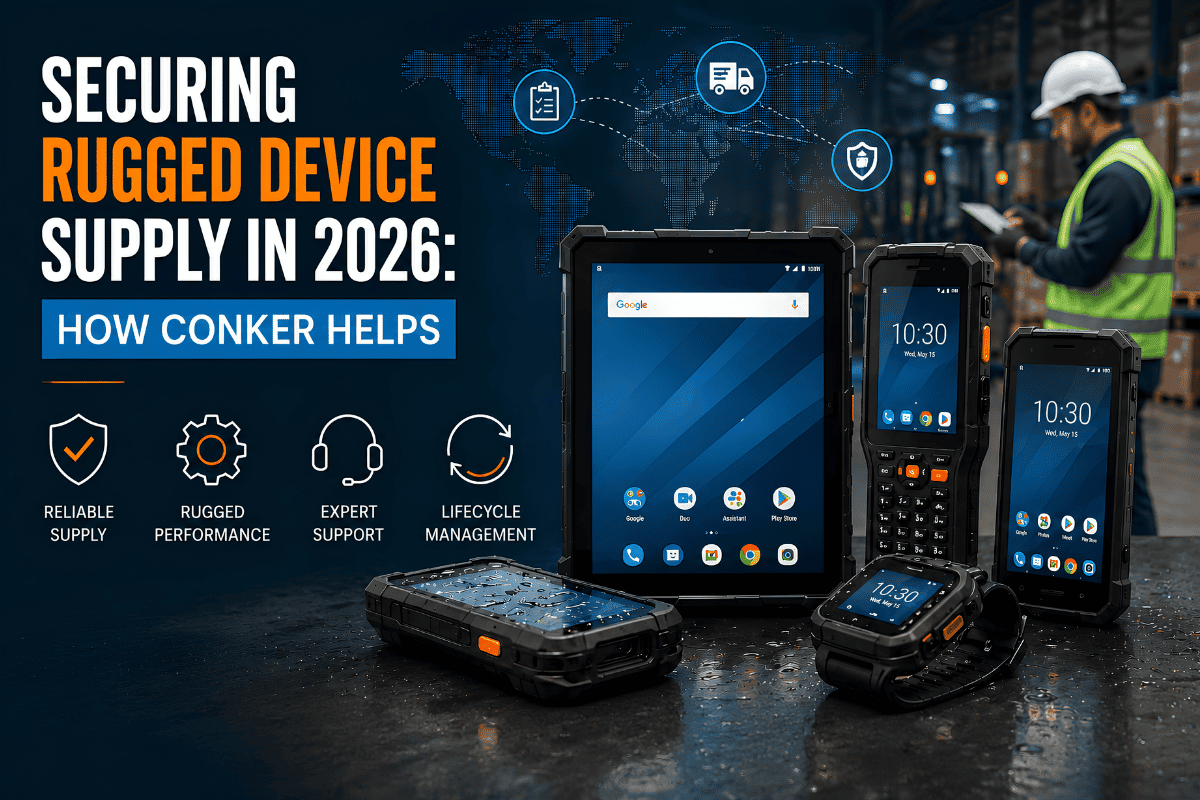
How Conker Helps Businesses Standardize Rugged Device Fleets
Conker helps businesses simplify enterprise mobility by supporting long-term rugged hardware strategies.
Rather than focusing only on device sales, Conker helps organizations reduce operational complexity through:
- Rugged hardware standardization
- Managed mobility services
- Device lifecycle support
- Deployment assistance
- Mobile Device Management solutions
This approach helps businesses maintain consistency across growing device fleets.
Lifecycle Management and Long-Term Planning
One of the most effective ways to reduce mixed fleet risk is through lifecycle planning.
Businesses should create clear replacement schedules and procurement strategies to avoid fragmented hardware environments.
Lifecycle planning should include:
- Approved device lists
- Standard operating systems
- Consistent accessories
- Long-term support planning
- Replacement timelines
- MDM integration
Organizations that plan proactively usually experience fewer operational disruptions.
Best Practices for Reducing Hardware Inconsistency
Businesses can reduce mixed fleet problems by following several best practices.
Conduct a Fleet Audit
Identify:
- Device types
- Operating systems
- Hardware age
- Support status
- Security risks
Create Hardware Standards
Develop approved device lists for different departments and operational needs.
Work with Reliable Suppliers
Partnering with rugged mobility specialists improves long-term hardware consistency.
Use Mobile Device Management
MDM platforms improve visibility, security, and policy management across enterprise fleets.
Replace Legacy Hardware Strategically
Avoid keeping outdated devices in production longer than necessary.
Future Trends in Enterprise Mobility
As businesses continue to digitize operations, hardware consistency will become increasingly important.
Emerging trends include:
- AI-powered device management
- Predictive maintenance
- Cloud-connected mobility platforms
- Integrated IoT ecosystems
- Longer rugged hardware lifecycles
Organizations that standardize their mobility infrastructure today will be better prepared for future operational demands.
Conclusion
Mixed device fleets may seem manageable at first, but over time, they often create significant operational, financial, and security challenges.
Inconsistent hardware increases IT complexity, reduces productivity, and makes enterprise mobility harder to scale effectively.
Businesses that standardize rugged hardware fleets gain better control, stronger security, and improved operational efficiency.
As enterprise mobility continues evolving in 2026, long-term hardware consistency is becoming a critical part of successful digital operations.
Frequently Asked Questions (FAQs)
1. What is a mixed device fleet?
A mixed device fleet refers to an organization using multiple types of mobile devices, operating systems, and hardware vendors within the same operational environment.
2. Why are mixed device fleets difficult to manage?
Mixed fleets increase IT complexity because different devices require separate updates, support processes, accessories, and security policies.
3. How do mixed fleets impact security?
Older or inconsistent devices may miss security updates, creating vulnerabilities and making it harder to enforce standardized security policies.
4. What industries are most affected by inconsistent hardware?
Industries such as logistics, warehousing, manufacturing, healthcare, and field services are heavily impacted because they rely on mobile devices for daily operations.
5. How can businesses reduce hardware inconsistency?
Businesses can standardize approved devices, implement lifecycle planning, use Mobile Device Management, and work with reliable rugged mobility suppliers.
6. Does Conker help businesses standardize rugged device fleets?
Yes, Conker helps businesses standardize rugged mobility environments through hardware supply, deployment support, and managed mobility services.
7. What rugged devices does Conker provide?
Conker provides rugged tablets, handheld scanners, smartphones, industrial laptops, wearable devices, and mobility solutions for enterprise operations.
8. Why are rugged devices better for enterprise mobility?
Rugged devices are designed for durability, longer lifecycles, lower failure rates, and improved reliability in demanding industrial and frontline environments.