Managing inventory has always been a challenge for growing businesses. From misplaced stock to slow picking times and rising operational costs, even small inefficiencies can affect productivity and profitability. A barcode scanner inventory management system solves these issues with accuracy, speed, and visibility that manual methods cannot match. Backed by decades of proven technology, barcode systems are recognized across retail, logistics, warehousing, manufacturing, and field operations as a trusted method for tracking stock with confidence.
What Is a Barcode Scanner Inventory Management System
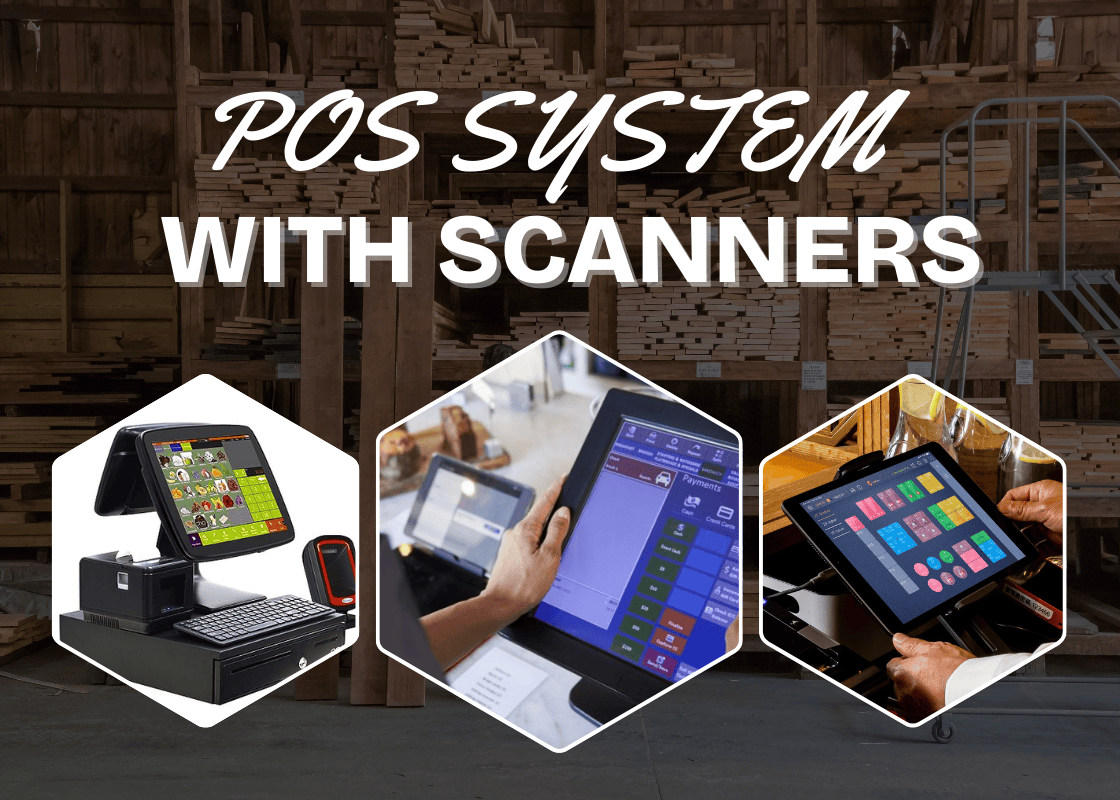
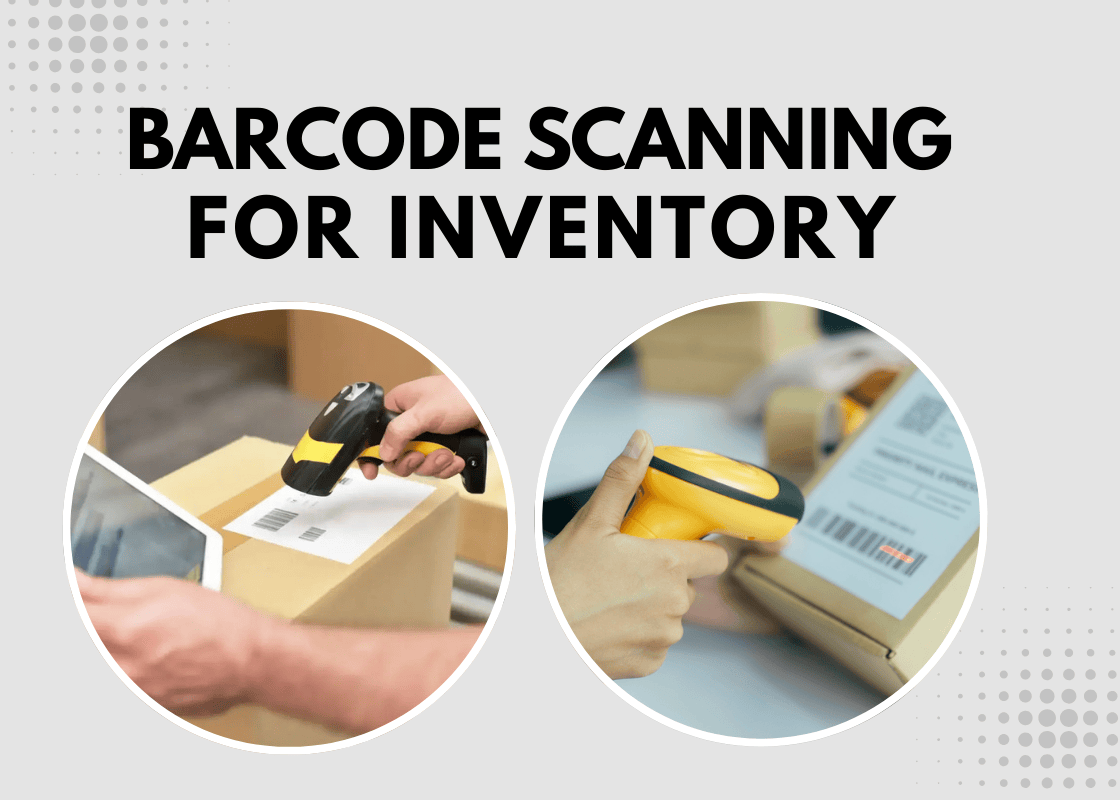
A barcode scanner inventory management system is a combination of hardware and software used to track products, assets, and materials through automated scanning. Every item is assigned a barcode that encodes information such as the SKU number, batch, category, or location. When scanned, the system instantly records the item’s movement, status, and stock count.
Modern systems often integrate with ERP, WMS, POS, and e-commerce platforms, giving businesses real-time visibility and control.
Core components include:
Barcode scanners such as handhelds, wearables, or fixed-mount devices
Inventory or warehouse management software
Labels, printers, and barcode standards (UPC, EAN, Code 128, etc.)
Connectivity tools such as WiFi, Bluetooth, or NFC
Cloud or on-premise data storage
By replacing paper logs and manual spreadsheets with automated data capture, barcode systems dramatically reduce human error and speed up daily tasks.
How Barcode Scanners Work Inside an Inventory System
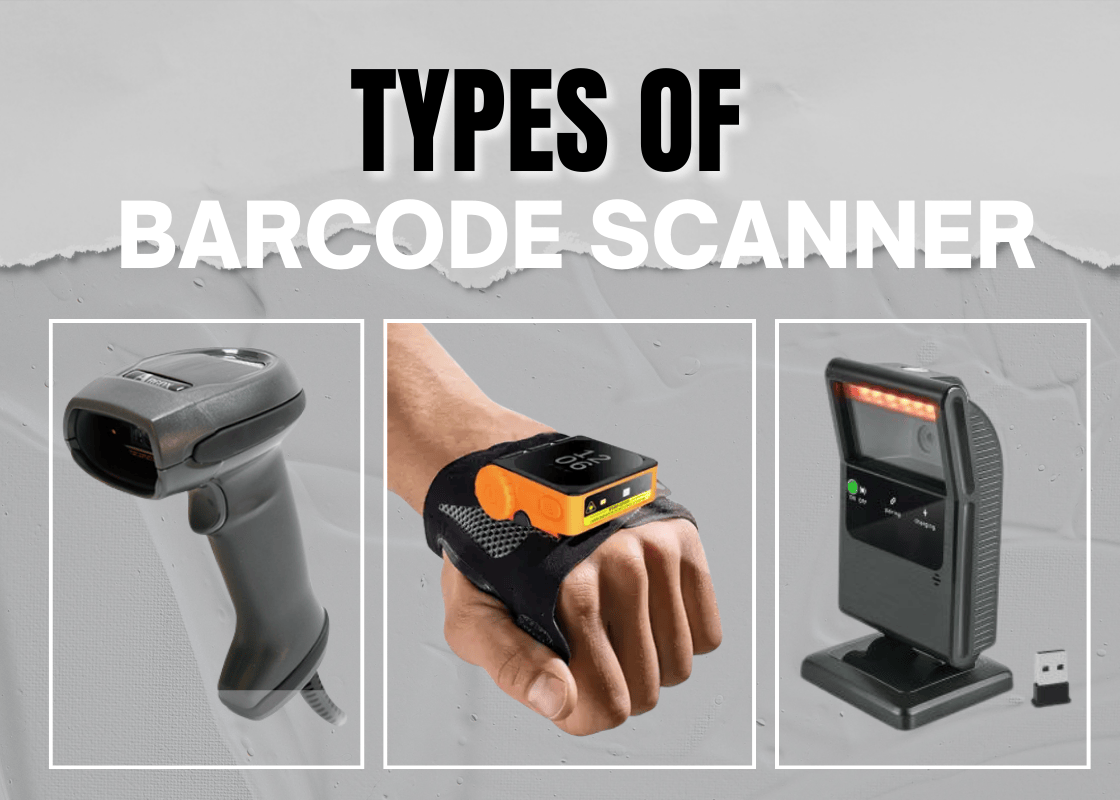
Barcode scanners use light sensors to read black and white bars that encode information. Once scanned, the device converts the barcode into digital data, which is then transmitted to the inventory database. The most common types of hardware include laser scanners, which use light beams for fast 1D barcode reading; imagers (2D scanners), which capture full images to read QR codes or damaged labels; and wearable or handheld devices that combine scanning with computing power. Modern wearable solutions significantly boost productivity by allowing teams to scan hundreds or even thousands of items per shift with ease and accuracy. Learn more about how these innovations enhance efficiency in operations in the Wearable Barcode Scanners Revolutionized.
Why Businesses Rely on Barcode-Driven Inventory Management
Barcode inventory systems are widely accepted across industries because they offer measurable improvements backed by global research and operational benchmarks. Studies from supply chain bodies consistently show that barcode-driven workflows reduce error rates to less than one percent, compared to up to 20 percent in manual processes.
Below are the top benefits that businesses experience.
1. Faster Stock Counting and Audits
Scanning takes seconds. Workers can perform cycle counts, stock checks, and audits with high accuracy and significantly less downtime.
2. Real-Time Visibility Across the Operation
Every scan updates inventory in real time. Managers always know stock levels, item locations, and movement history.
3. Cost Control and Waste Reduction
Automated tracking prevents overstocking, shortages, and lost goods. This results in lower storage costs, fewer write-offs, and more efficient purchasing.
4. Improved Team Efficiency
Barcode scanners eliminate time spent searching for items or recording data manually. Teams work confidently and focus on high-value tasks.
5. Better Decision Making
Accurate data empowers better planning, forecasting, and procurement. Businesses gain the clarity needed to scale confidently.
For an extended breakdown of how barcode systems reshape operations, visit: Guide to Barcode Scanning
Types of Barcode Scanners Used in Inventory Management
Not all scanners are the same. Choosing the right hardware depends on your environment, workflow, and scanning volume.
Handheld Barcode Scanners
Handheld barcode scanners are the most common devices used in warehouses and retail floors. They offer high-speed scanning, reliable durability, and ergonomic comfort for long shifts, making them ideal for demanding work environments. To explore rugged handheld options built to withstand tough conditions, see Handheld Barcode Scanners
Wearable Scanners
Lightweight devices worn on fingers or wrists. They accelerate picking and packing by freeing workers’ hands.
Fixed-Mount Scanners
Used in conveyor belts and automated sorting systems.
Mobile Computers with Integrated Scanners
These combine scanning, computing, and connectivity in one device for advanced applications.
Each device type plays a role in building a complete, high-efficiency inventory environment.
How Barcode Inventory Systems Transform Key Industries
Barcode systems are now fundamental tools across multiple industries. Their reliability and clarity make them essential for large-scale operations and small businesses alike.
Warehousing and Fulfillment
- Rapid picking and bin reconciliation
- Location accuracy for faster order processing
- Automated receiving and dispatch logs
Retail Management
- Real-time stock control
- Price checks and shelf management
- Faster POS operations
Manufacturing
- Tracking raw materials and finished goods
- Production line monitoring
- Traceability for compliance
Logistics and Distribution
- Package verification
- Route optimisation
- Proof of movement
Industry analysts highlight barcode scanning as a foundational pillar of digital transformation. For deeper insights into this, see: Barcode Scanning in Business Operations
How a Barcode Inventory System Works Step by Step
Below is a simple breakdown of how a barcode system functions in daily operations:
1. Product Labelling
Each product receives a barcode label or QR code.
2. Inventory Registration
Items are scanned and entered into the system during receiving.
3. Storage and Tracking
Products are placed in designated locations. Any movement is tracked through scans.
4. Picking and Packing
During order fulfillment, workers scan items to verify accuracy.
5. Stock Updates
Inventory adjusts automatically with every scan.
6. Reporting and Analytics
The system generates real-time reports for purchasing, forecasting, and planning.
This flow ensures transparency, faster work, and reduced mistakes.
Essential Features of a High-Performing Barcode Inventory System
A robust system should include the following features:
- Real-time stock tracking
- Multi-location management
- Support for 1D and 2D barcodes
- Mobile accessibility
- Role-based access and secure login
- Reporting and analytics capabilities
- Integration with ERP, POS, WMS, and accounting software
These features prevent downtime, improve workflow clarity, and deliver control across the entire supply chain.
Best Practices for Implementing a Barcode Inventory System
To gain maximum value from your barcode setup, use the following best practices:
1. Use Durable Labels
Heat, moisture, and friction can damage labels. Industrial-grade labels ensure reliable scanning.
2. Train Teams Properly
Short, clear training helps teams adopt scanning habits faster.
3. Standardise Naming and Codes
Consistent SKU structures reduce confusion and errors.
4. Use Rugged, Long-Life Hardware
Inventory environments can be demanding. Devices should resist drops, dust, and temperature variations.
5. Analyse Data Regularly
Inventory data reveals patterns that help optimise purchasing and forecasting.
Why Rugged Devices Are Essential for Inventory Environments
Warehouses and industrial facilities require devices built for constant use. Rugged barcode scanners and handheld computers offer:
- High drop protection
- Long battery life
- Water and dust resistance
- Stable connectivity
- Fast scanning in low-light or high-movement conditions
These advantages keep operations smooth even in challenging environments.
Future Trends in Barcode Inventory Management
While barcode technology has existed for decades, innovations are transforming how businesses manage stock:
- AI-powered inventory forecasting
- Cloud-based multi-site control
- Integration with robotics and automation
- Data analytics for real-time insights
- 2D codes for richer information storage
These advancements help businesses handle larger volumes while staying efficient and agile.
Frequently Asked Questions (FAQs)
1. What is the purpose of a barcode inventory management system?
It helps businesses track stock accurately, reduce errors, automatically update quantities, and improve overall workflow efficiency.
2. Do barcode systems work for small businesses?
Yes. Small retailers, warehouses, and e-commerce sellers use barcode systems to manage stock efficiently at a low cost.
3. What types of barcodes are used in inventory systems?
Common formats include UPC, EAN, Code 128 for 1D barcodes, and QR codes or Data Matrix for 2D barcodes.
4. Can barcode scanners work without the internet?
Many devices store data offline and sync it when connectivity is restored.
5. What is the difference between RFID and barcode systems?
RFID uses radio waves to track items automatically, while barcodes require direct scanning. Barcodes are more affordable and widely used.
Conclusion
A barcode scanner inventory management system is one of the strongest, most trusted solutions for accurate stock control. From real-time visibility to improved speed and reduced costs, barcode technology empowers businesses to operate confidently and competitively. Combined with modern hardware, from handheld scanners to wearables, these systems deliver clarity, reliability, and momentum for long-term success.