Inventory management is the backbone of any efficient business operation. Companies across retail, warehousing, logistics, and manufacturing rely on precise inventory tracking to maintain smooth workflows, reduce costs, and deliver exceptional customer experiences. While manual tracking methods have historically been used, barcodes have revolutionized inventory management by dramatically improving accuracy, speed, and reliability.
In this article, we explore how barcodes transform inventory management, reduce errors, and enhance operational efficiency. We also examine innovative solutions like wearable scanning devices, glove scanners, and rugged handheld devices that take barcode technology to the next level.
The Role of Barcodes in Modern Inventory Management
Barcodes are optical representations of data, typically numeric or alphanumeric, that can be quickly scanned by a device. These simple-looking codes hold immense power in organizing and tracking inventory across industries.
The core advantages of using barcodes include:
- Fast Data Capture: Scanning a barcode is exponentially faster than manually entering item details.
- Enhanced Accuracy: By reducing human involvement in data entry, errors are minimized.
- Real-Time Tracking: Barcode scanning allows for immediate updates in inventory management systems.
- Scalability: Businesses can easily scale operations without compromising accuracy.
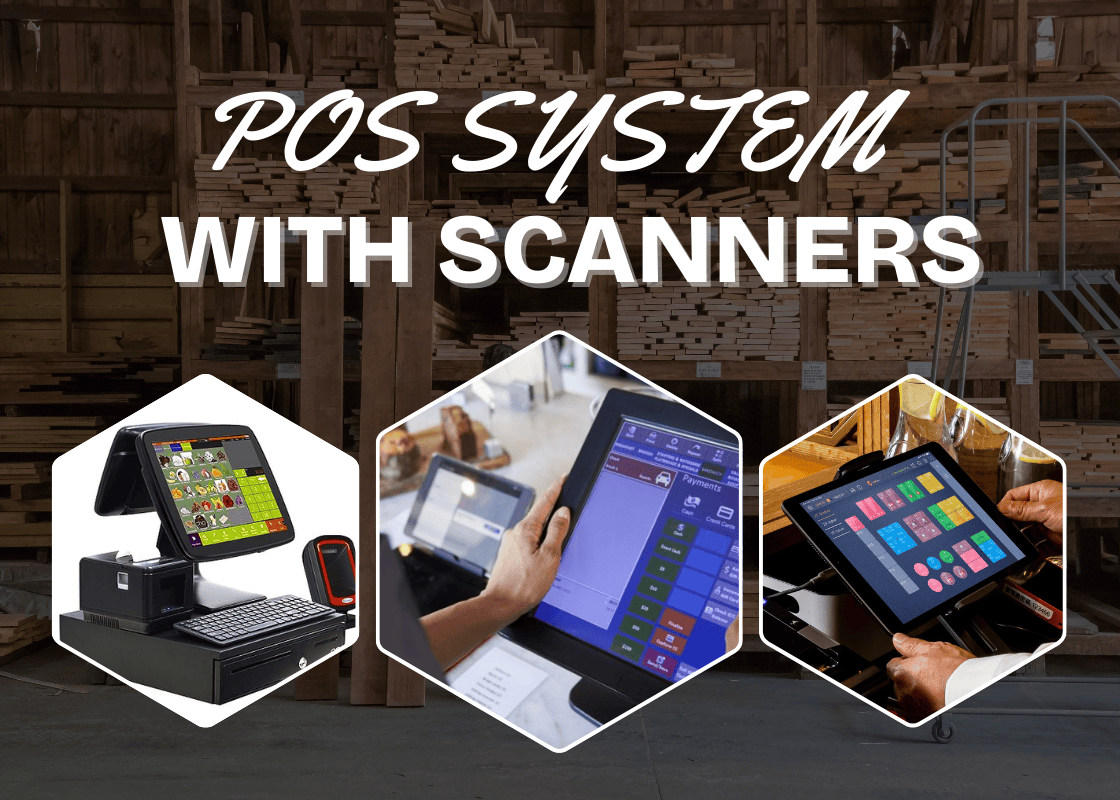
Modern barcode systems integrate with enterprise resource planning (ERP) and warehouse management systems (WMS), ensuring inventory levels, order status, and shipment details are always up to date.
Reducing Human Error with Barcode Scanning
Human error is a significant cost factor in warehousing and inventory management. Studies indicate that manual data entry can result in error rates of 1% to 5%, which may seem small but translates into substantial financial losses at scale.
Using barcodes dramatically reduces these errors because scanning is automatic and precise. Smart devices equipped with barcode scanners verify item information instantly, reducing the risk of misplaced or miscounted stock. For businesses, this means fewer inventory discrepancies, improved fulfillment accuracy, and higher customer satisfaction.
This concept is discussed in depth in Cost of Human Error in Warehousing, highlighting the importance of technology-driven solutions in minimizing operational mistakes.
Speed and Efficiency: Transforming Warehouse Operations
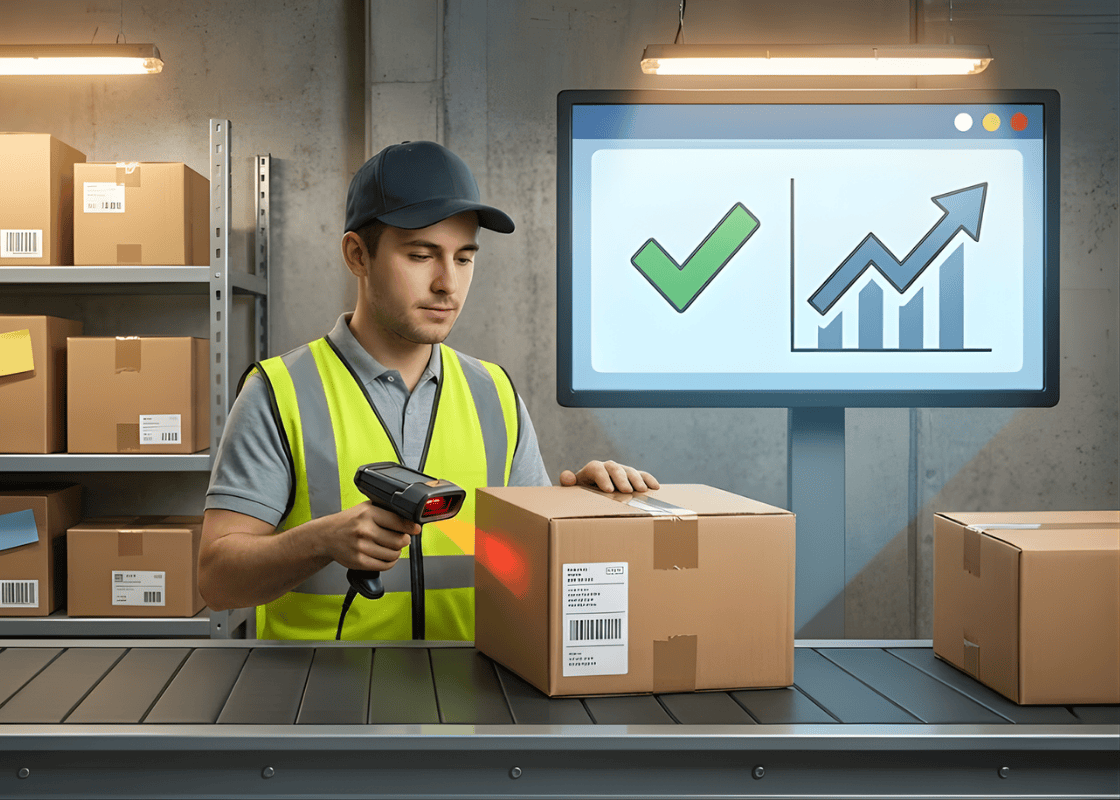
Time is money, and barcodes save both. Scanning items during receiving, storage, picking, and shipping eliminates tedious manual counting and data entry.
Some of the key operational efficiencies include:
- Faster Receiving: Items can be scanned in seconds during arrival, automatically updating inventory systems.
- Efficient Picking and Packing: Warehouse staff locate products more quickly using barcode-guided workflows.
- Accurate Shipping: Scanning ensures the correct products are shipped to customers, reducing returns.
Advanced solutions such as Warehouse Wearable Scanning Solutions allow workers to scan items hands-free, further accelerating workflows and reducing strain during long shifts.
Wearable Glove Scanners: A Leap in Productivity and Safety
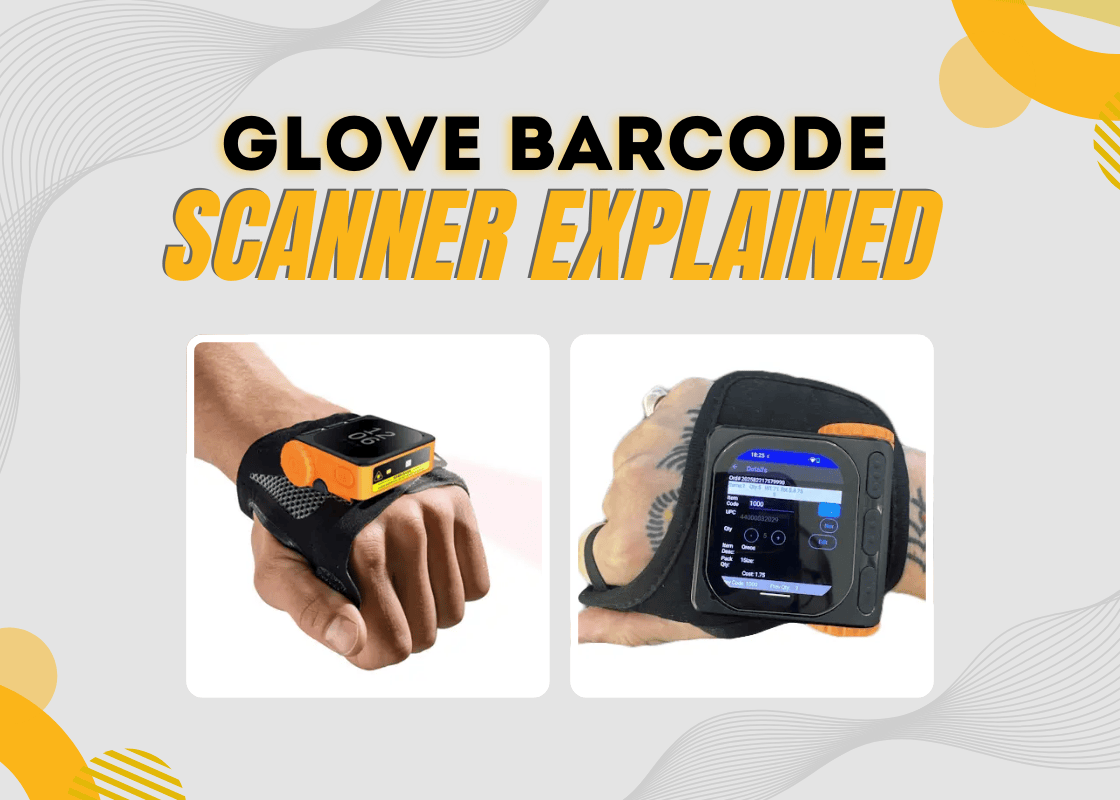
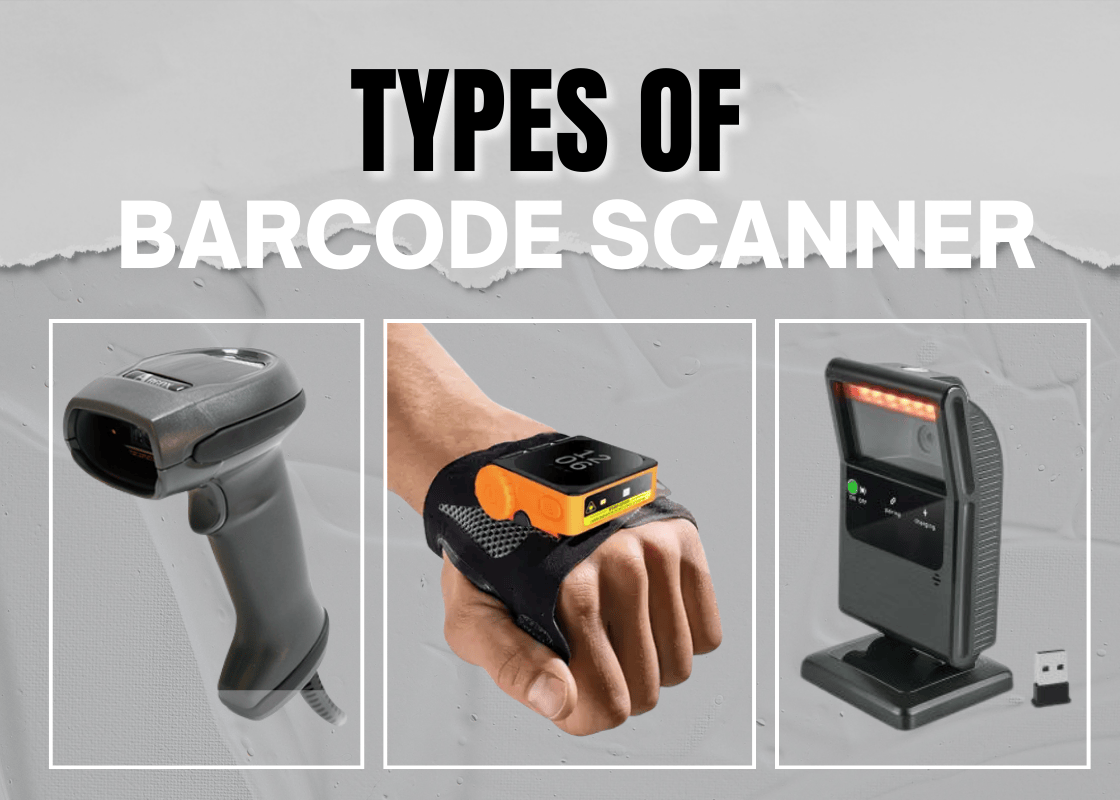
Wearable glove scanners are an innovation that combines safety, convenience, and productivity. Unlike traditional handheld scanners, these devices attach directly to the operator’s hand, allowing for natural movements while scanning items.
Benefits include:
- Hands-Free Scanning: Workers can handle items without constantly switching devices.
- Improved Safety: Reduces repetitive strain injuries caused by conventional scanning methods.
- Faster Operations: Increases scanning speed, boosting overall productivity.
These scanners are particularly valuable in busy warehouses and manufacturing environments, where every second counts. More details on this innovation are available in Wearable Glove Scanners.
Rugged Handheld Barcode Scanners: Reliability in Challenging Environments
For delivery services, field operations, and industrial environments, standard scanners may fail under harsh conditions. Rugged handheld barcode scanners are designed to withstand drops, dust, water, and extreme temperatures, ensuring uninterrupted performance.
Key advantages include:
- Durability: Designed for rough handling, reducing replacement costs.
- Consistent Performance: Reliable scanning even in challenging lighting or environmental conditions.
- Integration-Friendly: Compatible with mobile apps and backend systems for real-time data updates.
Businesses using these devices can maintain high levels of efficiency while minimizing downtime caused by equipment failure. The benefits are explored further in Benefits of Handheld Scanners.
Real-Time Inventory Insights
Barcodes enable businesses to capture and access inventory data instantly. With real-time insights, managers can:
- Monitor stock levels to prevent overstocking or stockouts.
- Track product movement across locations.
- Identify slow-moving or high-demand items.
This data-driven approach empowers companies to make informed decisions, optimize storage, and improve order fulfillment. Real-time visibility also strengthens forecasting, helping businesses respond proactively to market trends.
Cost Savings Through Accurate Inventory Management
Accurate inventory tracking reduces hidden costs such as:
- Lost or misplaced stock.
- Expedited shipping to cover shortages.
- Labor costs associated with manual counting.
- Errors leading to customer dissatisfaction and returns.
Implementing barcode systems, especially with advanced scanning devices, directly improves profitability by reducing errors, enhancing speed, and ensuring optimal stock levels.
Scalable Solutions for Growing Businesses
Barcodes are not just for large enterprises; they scale with your business. Small and medium-sized operations can benefit from simple barcode systems, while large warehouses can deploy wearable scanners and rugged handheld devices for enterprise-level efficiency.
As your business grows, barcode systems grow with you, allowing seamless integration with new software, locations, and operational workflows without costly overhauls.
Integrating Barcode Systems with Modern Technology
Modern inventory management combines barcodes with technologies like:
- Cloud-Based Systems: Access inventory data remotely and securely.
- Mobile Devices: Empower staff to scan items on the go.
- Analytics Tools: Monitor inventory trends and operational KPIs.
Innovations like Warehouse Wearable Scanning Solutions demonstrate how hardware and software synergy create a future-ready approach to inventory management.
Best Practices for Barcode Inventory Management
To maximize the benefits of barcode systems, businesses should follow these best practices:
- Standardize Barcodes Across All Products: Avoid confusion and simplify scanning workflows.
- Regularly Audit Inventory: Ensure scanned data matches actual stock to maintain accuracy.
- Train Staff Thoroughly: Proper training reduces errors and improves productivity.
- Invest in Reliable Hardware: Use durable scanners suitable for your work environment.
Adhering to these practices ensures barcodes fulfill their potential in improving accuracy and operational efficiency.
Frequently Asked Questions (FAQs)
What types of barcodes are used in inventory management?
Inventory management commonly uses linear (1D) barcodes for simple tracking and 2D barcodes like QR codes for more detailed product information and mobile scanning capabilities.
Can barcodes reduce inventory errors completely?
While barcodes greatly reduce errors, occasional discrepancies may occur due to human handling or system integration issues. Combining barcode scanning with regular audits ensures high accuracy.
How do wearable scanners compare to handheld scanners?
Wearable scanners allow hands-free operation, increasing speed and safety, while handheld scanners are versatile, durable, and suitable for harsh environments. Both have their place depending on operational needs.
Are barcodes expensive to implement?
The savings from reduced errors, faster operations, and improved inventory management generally offset the cost of implementing barcode systems. Modern devices and software offer scalable options for any business size.
Can barcode systems integrate with existing software?
Yes, most barcode systems are compatible with ERP, WMS, and cloud-based platforms, enabling real-time data synchronization and operational transparency.
Conclusion
Barcodes have transformed inventory management from a manual, error-prone process into a precise, efficient, and scalable system. By reducing human error, speeding up operations, and providing real-time insights, barcodes empower businesses to operate smarter, cut costs, and enhance customer satisfaction.
Innovations like wearable glove scanners, rugged handheld devices, and warehouse scanning solutions further elevate the power of barcodes, creating a future-ready, highly productive inventory management ecosystem. Investing in these technologies ensures operational excellence, reliability, and a competitive edge in any industry.