In today’s fast-paced business world, efficiency and accuracy are not optional; they are essential. Barcode scanners are at the heart of modern operations, helping businesses track inventory, manage assets, and accelerate workflows. But not all scanners are created equal. Choosing the right barcode scanner can revolutionize productivity in your industry.
This article dives deep into the different types of barcode scanners, their applications, and how to pick the best one for your business. Created by experts in barcode technology, this guide combines practical knowledge, industry consensus, and actionable insights to help you make informed decisions.
Understanding Barcode Scanners
Barcode scanners are devices that read barcodes printed on products, packaging, or assets. They convert the visual code into digital data that computers or systems can process.
Using a reliable barcode scanner reduces human error, speeds up operations, and ensures accurate data capture. Modern scanners range from handheld devices to embedded systems and rugged solutions designed for tough environments.
For businesses looking to optimize operations, Barcode Scanning for Business is a valuable resource to understand how different technologies improve efficiency.
Key Types of Barcode Scanners
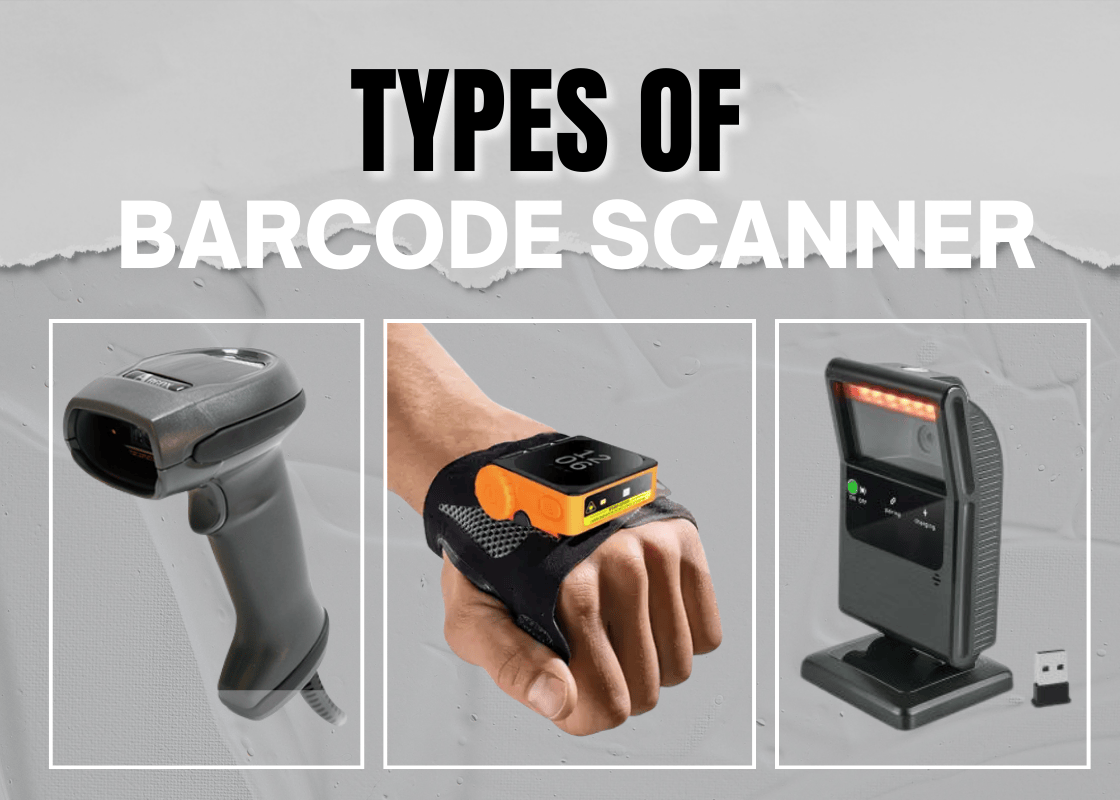
Barcode scanners vary by technology, design, and intended use. Choosing the right type depends on the environment, volume of scanning, and types of barcodes used.
1. Laser Barcode Scanners
Laser scanners are among the most traditional and widely used devices. They use a laser beam to read barcodes and are highly accurate for linear (1D) codes.
Advantages:
- Excellent accuracy for high-speed scanning
- Works well with damaged or poorly printed barcodes
- Can read barcodes from a distance
Best for: Retail checkout, manufacturing, and environments with frequent linear code scanning.
2. CCD (Charge-Coupled Device) Scanners
CCD scanners use an array of tiny sensors to capture barcode data. Unlike laser scanners, they do not use moving parts, making them more durable in certain conditions.
Advantages:
- Compact and lightweight
- High reliability with low maintenance
- Ideal for close-range scanning
Best for: Point-of-sale environments, small inventory management, and healthcare applications.
3. Imager Barcode Scanners
Imagers use camera-based technology to capture images of barcodes. They can read both 1D and 2D barcodes, including QR codes.
Advantages:
- Can scan digital and printed barcodes
- Reads damaged or poorly printed codes efficiently
- Supports advanced data capture
Best for: Warehousing, logistics, and industries that require scanning of both 1D and 2D codes. Barcode Technology in Warehousing offers insights on how imagers improve warehouse accuracy.
4. Rugged Handheld Barcode Scanners
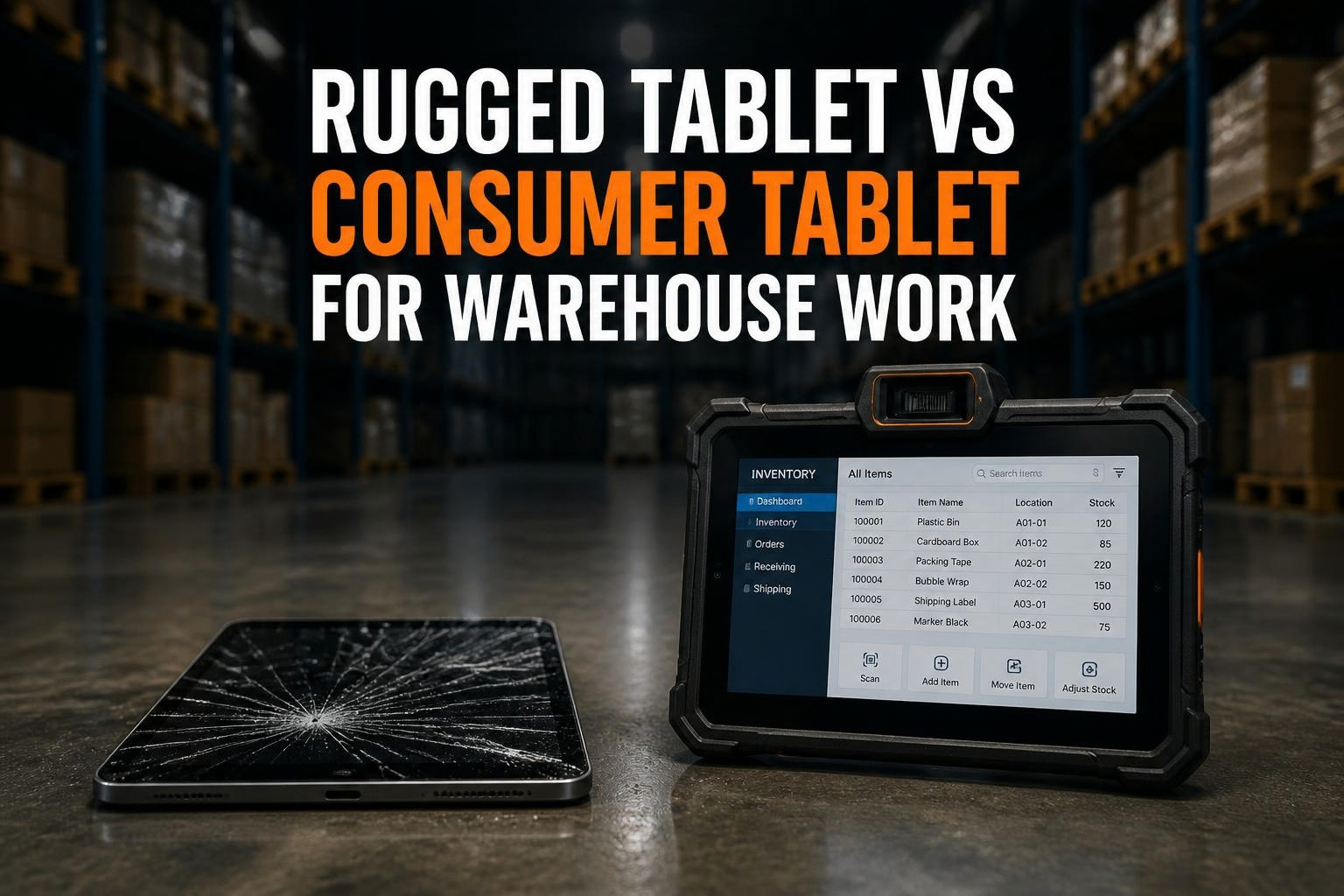
For industries that demand durability, rugged handheld barcode scanners are essential. Built to endure drops, dust, water, and extreme temperatures, these scanners are ideal for harsh environments.
Advantages:
- Industrial-strength design
- Long battery life for continuous operations
- Optimized for both 1D and 2D codes
Best for: Field service, warehousing, manufacturing, and construction sites. You can explore Rugged handheld barcode scanners for options built for tough industrial environments.
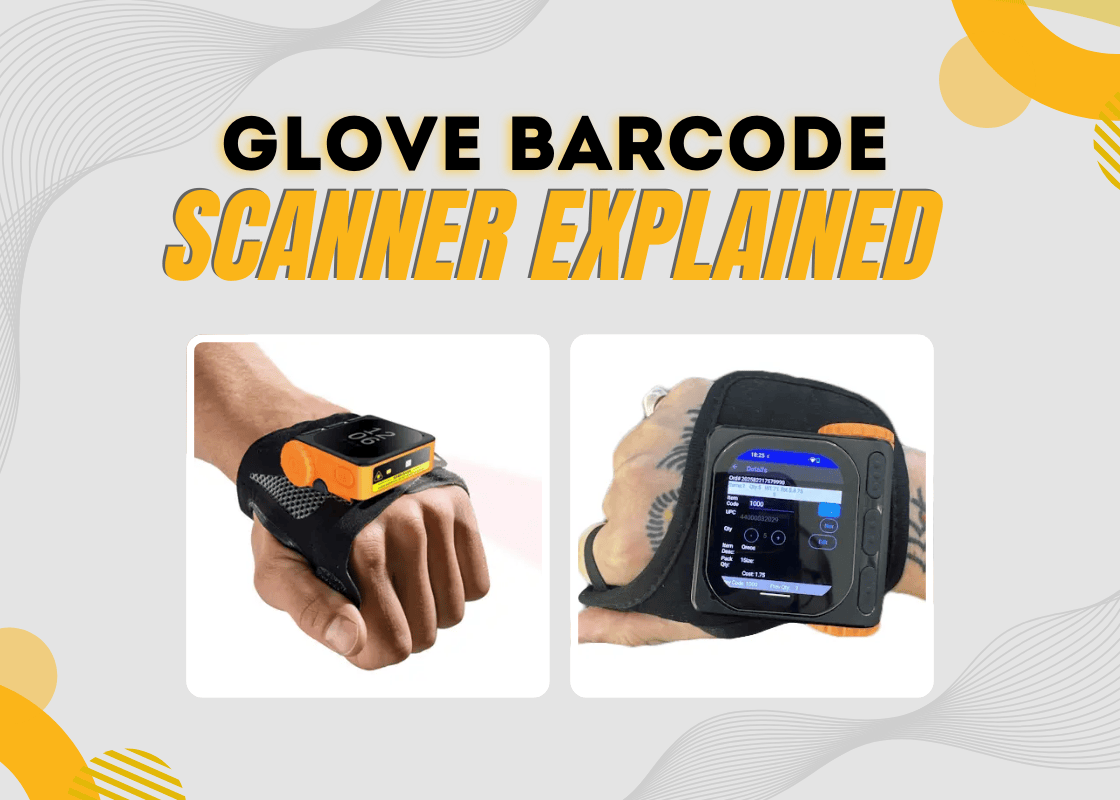
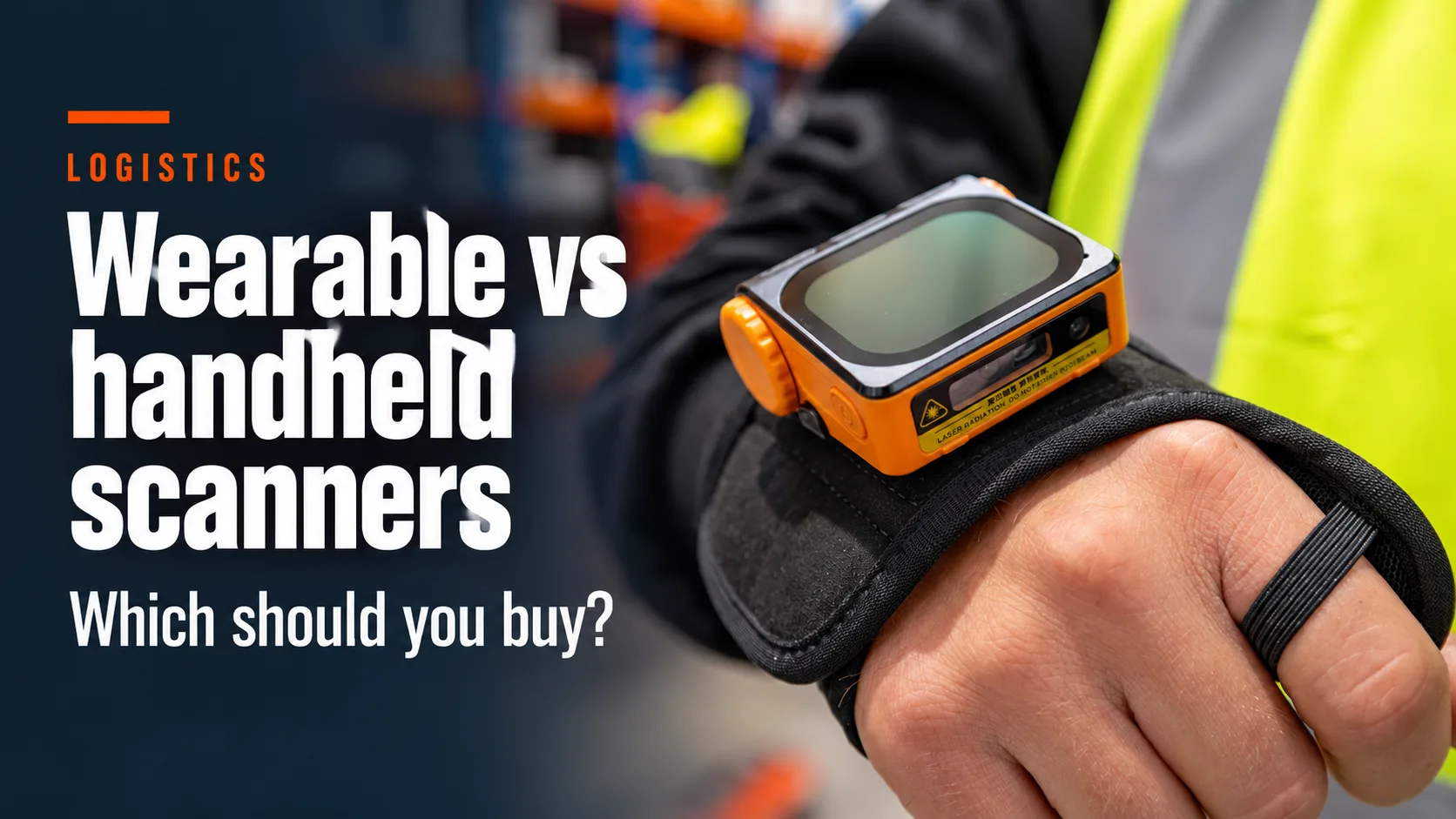
5. Mobile and Wearable Barcode Scanners
These devices integrate scanning capabilities into mobile devices or wearable technology, allowing hands-free or on-the-go scanning.
Advantages:
- Enhances mobility and speed
- Reduces fatigue in high-volume scanning tasks
- Can integrate with mobile apps and cloud systems
Best for: Retail stores, warehouses, and healthcare facilities where mobility and real-time data capture are crucial.
6. Fixed-Mount Barcode Scanners
Fixed-mount scanners are stationary devices that automatically scan items as they pass on a conveyor belt or through a designated scanning area.
Advantages:
- Ideal for automated workflows
- High-speed scanning for high-volume operations
- Minimal human intervention required
Best for: Manufacturing lines, shipping facilities, and retail self-checkout systems.
Factors to Consider When Choosing a Barcode Scanner
Selecting the right scanner requires more than knowing the types available. Consider these critical factors to ensure your investment drives efficiency and ROI.
- Environment: Will the scanner be used in an office, warehouse, outdoors, or industrial setting? Ruggedness and environmental resistance matter.
- Barcode Types: Determine whether you primarily use 1D or 2D barcodes. Some scanners handle both seamlessly.
- Scanning Range: Consider the distance between the scanner and the barcode. Laser scanners are better for long distances, while CCD or imagers work best close-up.
- Volume of Scans: High-frequency scanning requires durable devices with fast response times.
- Connectivity: Modern scanners offer USB, Bluetooth, Wi-Fi, or cellular connections. Ensure compatibility with your system.
- User Experience: Ergonomics, ease of use, and minimal training are crucial for staff efficiency.
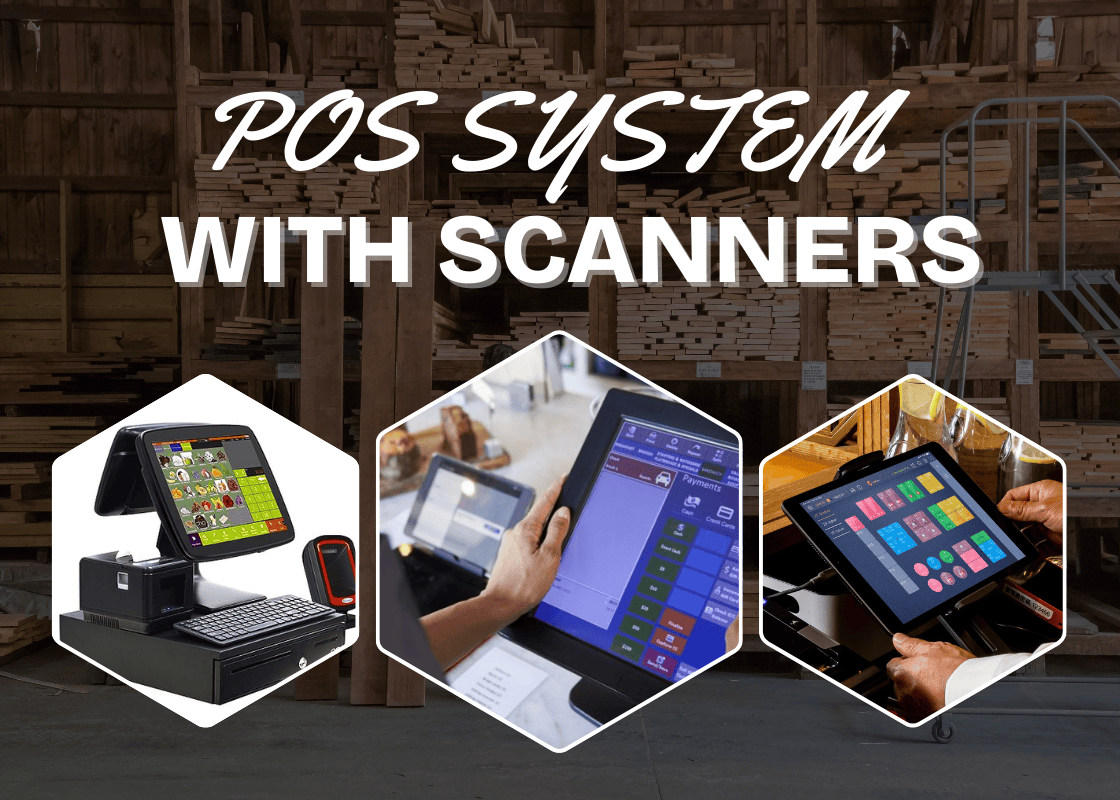
- Integration Needs: The scanner should easily connect with your inventory, POS, or warehouse management systems.
Investing in the right scanner reduces errors, boosts productivity, and improves overall operational efficiency.
Industry Applications of Barcode Scanners
Retail
Retail businesses rely on scanners to speed up checkout, track inventory, and manage supply chains. Mobile and handheld scanners allow staff to check stock on the floor, while fixed-mount scanners automate high-volume scanning in distribution centers.
Healthcare
In healthcare, accuracy is critical. Barcode scanners help track medications, manage patient records, and prevent errors in patient care. CCD and imager scanners are particularly effective for scanning wristbands and medication labels.
Warehousing and Logistics
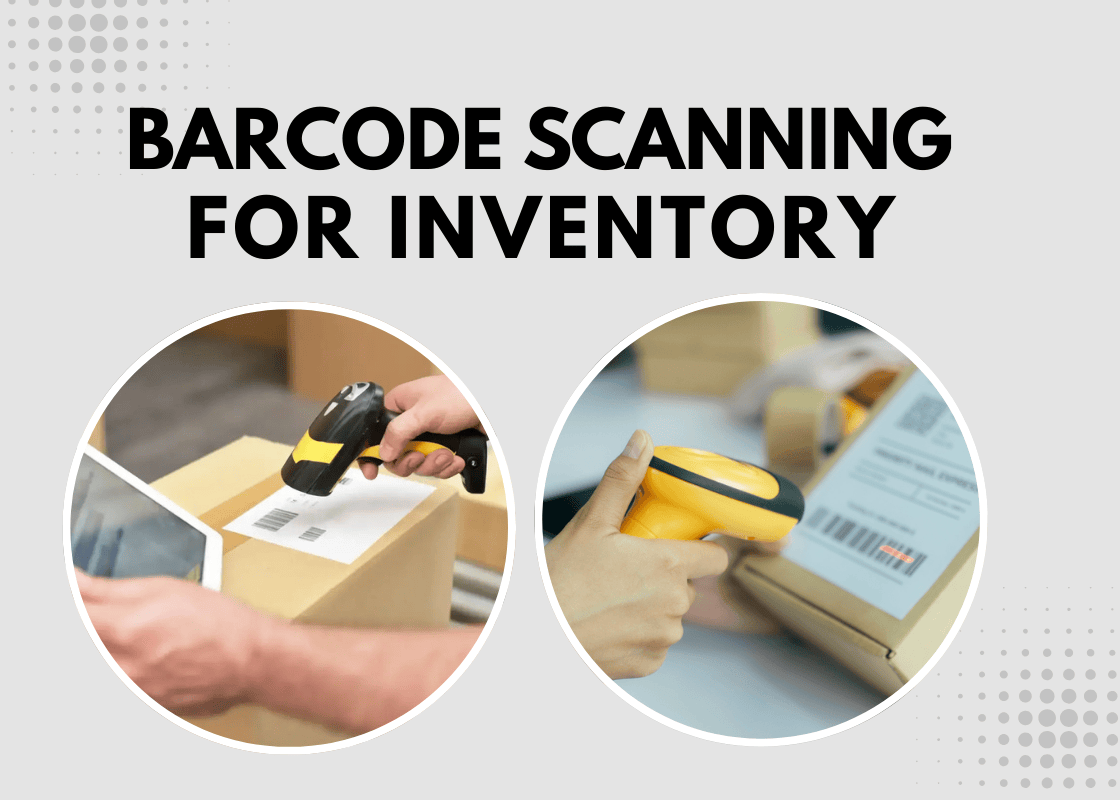
Warehouses require fast, accurate scanning to manage inventory and shipments. Imager scanners, rugged handheld devices, and fixed-mount scanners ensure that every product is accurately tracked from receiving to shipping. Learn more about how Barcode Technology in Warehousing enhances operations.
Manufacturing
Manufacturers use scanners to track parts, manage assembly lines, and streamline production. Laser and rugged scanners handle harsh industrial conditions, ensuring accurate data capture in every stage of production.
Field Operations
For field service, logistics, and delivery, rugged and mobile barcode scanners allow teams to capture data efficiently while on the move. Wearable scanners improve speed and reduce errors in high-volume tasks.
Maximizing Efficiency with the Right Scanner
Choosing the right barcode scanner is not just about the device; it’s about optimizing your workflows. When your team uses a scanner designed for your environment, you gain:
- Faster scanning speeds and improved throughput
- Reduced human errors and ensured accurate data collection
- Enhanced inventory visibility and real-time reporting
- Greater staff satisfaction and operational efficiency
With advances in technology, modern scanners offer features like wireless connectivity, cloud integration, and AI-powered recognition, transforming the way businesses handle data.
Frequently Asked Questions (FAQs)
1. What is the difference between 1D and 2D barcode scanners?
1D scanners read traditional linear barcodes, while 2D scanners read matrix codes, QR codes, and other complex barcodes. 2D scanners are more versatile and can handle a wider range of applications.
2. Can barcode scanners work with mobile devices?
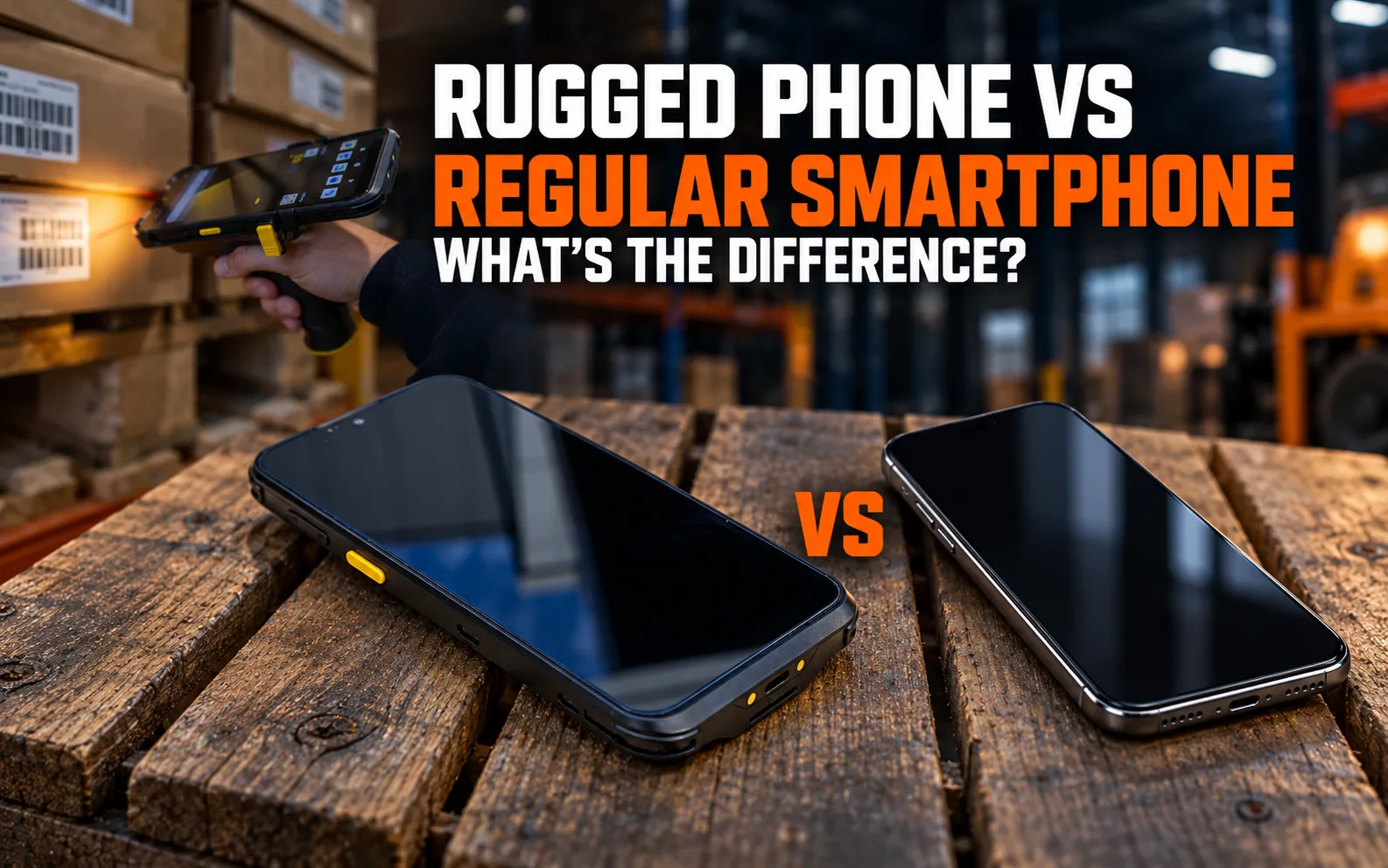
Yes, mobile and wearable barcode scanners integrate scanning capabilities into smartphones, tablets, and wearable devices for enhanced mobility and efficiency.
3. Which barcode scanner is best for harsh environments?
Rugged handheld barcode scanners are designed to withstand drops, dust, water, and extreme temperatures, making them ideal for industrial, field, and warehouse use.
4. Are fixed-mount scanners suitable for retail checkout?
Yes, fixed-mount scanners are excellent for high-speed, automated scanning in self-checkout lanes or conveyor belt systems.
5. How do I choose the right barcode scanner for my industry?
Consider the environment, barcode type, scanning range, volume, connectivity, user experience, and integration needs. Choosing a scanner aligned with your workflows ensures maximum efficiency and accuracy.
Conclusion
Barcode scanners are a cornerstone of modern business operations, from retail floors to warehouses and industrial sites. Understanding the types of scanners, their advantages, and the environments they serve is essential for making informed decisions.
By selecting the right scanner, businesses can boost efficiency, reduce errors, and improve overall productivity. Whether you need a durable, rugged handheld barcode scanner, a high-speed laser scanner, or a versatile imager, choosing the right tool ensures your operations run smoothly and your data remains reliable.
Embrace the power of modern barcode technology and watch your business transform with speed, accuracy, and confidence.