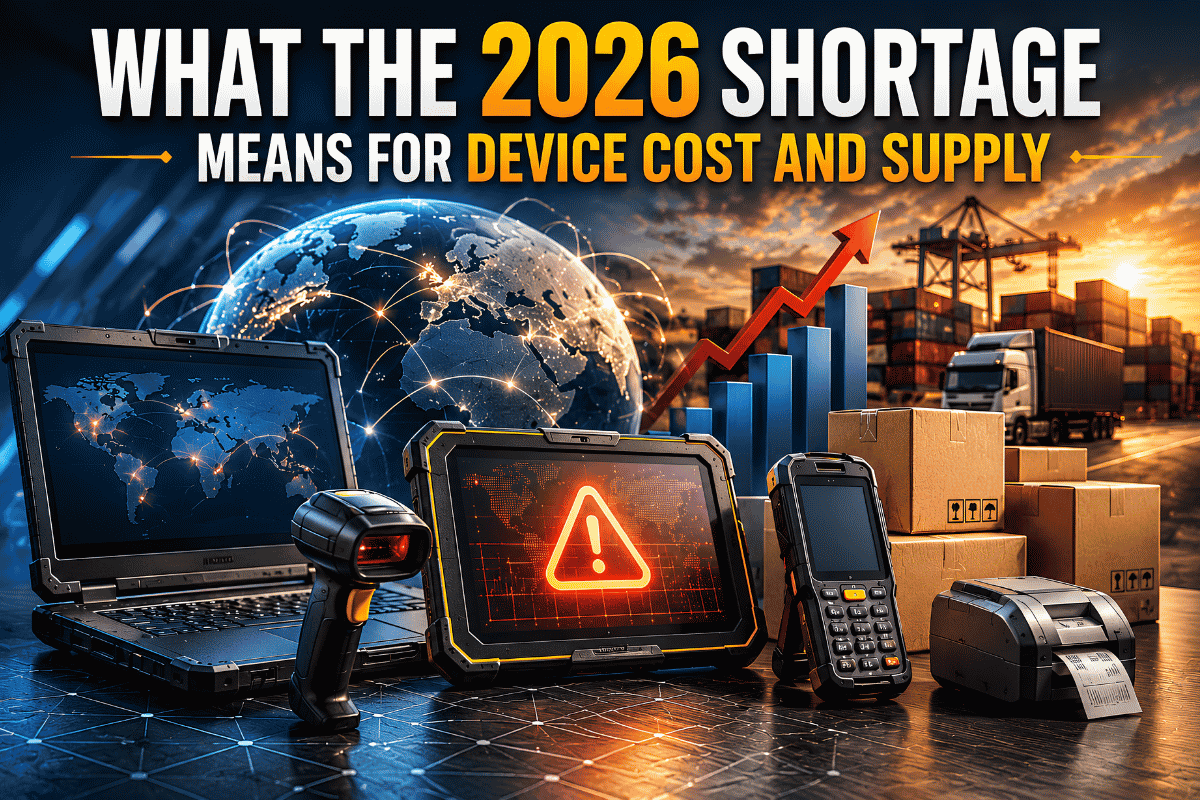
Businesses across the world are entering 2026 with growing concerns about hardware availability and rising technology costs. Supply chain disruptions, semiconductor shortages, increased demand for AI infrastructure, and manufacturing constraints continue to reshape the technology market.
For organizations that rely on enterprise devices, rugged hardware, industrial equipment, and mobile technology, these shortages are creating new procurement challenges. Longer lead times, limited inventory, and increasing prices are forcing businesses to rethink how they source and manage critical hardware assets.
The 2026 shortage is not simply a temporary disruption. It is becoming a major factor influencing operational planning, technology investments, and long-term business resilience.
Why the 2026 Device Shortage Matters
Hardware devices are now essential to nearly every industry. Warehouses use scanners and tablets for inventory management, healthcare providers rely on mobile devices for patient care, and field service teams depend on rugged computers to complete daily tasks.
When hardware becomes difficult to source, businesses face challenges such as:
- Delayed deployments
- Rising procurement costs
- Operational downtime
- Limited device availability
- Reduced productivity
Organizations that fail to prepare for supply volatility may struggle to maintain operational continuity.
What Is Driving the 2026 Device Shortage?
Several market forces are contributing to device shortages in 2026.
Rising Demand for AI Infrastructure
Artificial intelligence is increasing the global demand for computing resources.
AI platforms require:
- Advanced processors
- High-capacity storage
- DRAM memory
- NAND flash memory
- Enterprise-grade servers
As AI investments continue growing, component manufacturers are under increasing pressure to meet demand.
Semiconductor Constraints
Semiconductors remain the foundation of modern electronic devices.
From rugged tablets to industrial handhelds, nearly every enterprise device depends on semiconductor availability. Shortages in these components continue affecting production schedules worldwide.
Global Supply Chain Challenges
Shipping delays, transportation bottlenecks, labor shortages, and geopolitical uncertainty continue to impact supply chain efficiency.
These disruptions affect:
- Component sourcing
- Manufacturing timelines
- Distribution networks
- Inventory availability
As a result, businesses often face unpredictable procurement timelines.
How Shortages Increase Device Costs
One of the most immediate effects of supply shortages is rising hardware costs.
When demand exceeds supply, manufacturers and distributors often increase prices to manage inventory and production constraints.
Businesses are seeing higher costs for:
- Rugged tablets
- Handheld scanners
- Industrial lap
- tops
- Enterprise smartphones
- Mobile printers
- Vehicle-mounted computers
Organizations managing large device fleets may experience significant budget pressure as procurement expenses continue increasing.
How Shortages Affect Device Supply
Supply shortages impact more than just pricing.
Businesses are increasingly facing:
- Longer lead times
- Limited product availability
- Backordered devices
- Delayed deployments
- Restricted inventory options
Hardware that was previously available within days may now require weeks or months to arrive.
This uncertainty makes operational planning much more difficult.
The Impact on Enterprise Mobility
Enterprise mobility environments are particularly vulnerable to hardware shortages.
Many organizations rely on:
- Rugged tablets
- Barcode scanners
- Mobile computers
- Wearable devices
- Vehicle-mounted systems
These technologies support frontline operations and daily workflows.
As supply constraints continue, businesses are increasingly researching Rugged Device Trends to Watch to better understand how enterprise mobility is evolving during periods of market uncertainty.
Why Frontline Operations Feel the Impact First
Frontline workers depend on hardware availability more than most office-based teams.
Warehouse staff, field engineers, healthcare workers, and logistics professionals often cannot perform critical tasks without mobile devices.
When replacement hardware is delayed, businesses may experience:
- Workflow interruptions
- Reduced productivity
- Longer service times
- Increased operational risk
This is one reason why Why Rugged PC Devices Are the Optimal Choice for Frontline Workers has become an increasingly important consideration for enterprise mobility leaders.
Device Shortages and Mixed Fleet Challenges
When preferred hardware is unavailable, organizations often purchase alternative devices to maintain operations.
While this may solve short-term availability issues, it can create long-term challenges.
Mixed fleets often include:
- Different manufacturers
- Multiple operating systems
- Inconsistent accessories
- Varying support requirements
These inconsistencies increase:
- IT complexity
- Training costs
- Security risks
- Software compatibility challenges
Standardization is becoming a key strategy for reducing these risks.
How Rugged Devices Help Reduce Supply Risk
Rugged devices are designed for durability and long operational lifecycles.
Compared to consumer-grade hardware, rugged devices generally:
- Last longer
- Require fewer replacements
- Experience lower failure rates
- Provide better reliability
This helps businesses reduce procurement pressure during periods of limited hardware availability.
Organizations that invest in rugged technology can often extend device lifecycles and reduce replacement frequency.
Why Procurement Planning Matters More Than Ever
Reactive purchasing strategies often create unnecessary supply risks.
Businesses that wait until hardware fails before planning replacements are more likely to face:
- Inventory shortages
- Higher prices
- Operational disruption
Instead, organizations should develop long-term procurement strategies that focus on:
- Lifecycle planning
- Supplier relationships
- Device standardization
- Inventory forecasting
- Backup hardware availability
These practices improve resilience during supply disruptions.
How Businesses Can Control Costs During Shortages
While companies cannot control global supply chains, they can take proactive steps to reduce financial impact.
Standardize Hardware Fleets
Consistent hardware environments simplify support and reduce procurement complexity.
Forecast Device Requirements Early
Businesses should anticipate future hardware needs before shortages occur.
Maintain Spare Inventory
Backup devices help minimize downtime when replacements are delayed.
Extend Device Lifecycles Strategically
Organizations can maximize return on investment through proper maintenance and lifecycle management.
Work with Trusted Suppliers
Strong supplier partnerships improve visibility and procurement reliability.
The Growing Role of Rugged Devices in Logistics
Supply chain disruptions have increased demand for durable mobility solutions.
Warehouse and transportation organizations increasingly rely on Rugged Devices for Logistics and Supply Chain environments where uptime and operational continuity are critical.
Reliable hardware helps businesses maintain productivity even during periods of procurement uncertainty.
How Conker Helps Businesses Navigate Supply Challenges
Conker helps businesses reduce the impact of hardware shortages through enterprise mobility solutions designed for long-term operational resilience.
Their services include:
- Rugged hardware procurement
- Device lifecycle management
- Mobility deployment support
- Hardware standardization
- Managed mobility services
This helps organizations maintain continuity while reducing procurement complexity. Submit your inquiry to learn how Conker can help your business build a more resilient mobility strategy.
Why Lifecycle Management Is Becoming Essential
Lifecycle management is no longer just an IT best practice.
In 2026, it has become a strategic business requirement.
Effective lifecycle planning helps organizations:
- Forecast hardware demand
- Reduce downtime
- Improve budgeting
- Extend device longevity
- Maintain fleet consistency
Businesses that proactively manage device lifecycles are generally better prepared for market volatility.
Future Trends in Device Supply and Procurement
Several trends are expected to shape the hardware market over the coming years.
Increased Demand for Rugged Hardware
Organizations will continue investing in durable devices that offer longer operational lifespans.
Greater Supply Chain Visibility
Businesses will prioritize supplier transparency and inventory forecasting.
AI-Driven Procurement Planning
Artificial intelligence will help organizations predict demand and optimize purchasing decisions.
More Strategic Hardware Investments
Companies will focus on long-term value rather than short-term purchasing decisions.
Conclusion
The 2026 device shortage is influencing both hardware costs and supply availability across multiple industries.
Rising demand, semiconductor constraints, and ongoing supply chain challenges are creating new procurement pressures for businesses worldwide.
Organizations that focus on lifecycle planning, rugged hardware strategies, supplier partnerships, and device standardization will be better prepared to navigate future disruptions.
While shortages may continue, proactive planning can help businesses maintain operational stability, control costs, and protect productivity.
Frequently Asked Questions (FAQs)
1. What is causing the 2026 device shortage?
The shortage is being driven by semiconductor constraints, growing AI infrastructure demand, supply chain disruptions, and manufacturing limitations.
2. How are device shortages affecting hardware prices?
Limited supply and increased demand are causing higher prices for enterprise devices, rugged hardware, industrial computers, and mobile technology.
3. Which industries are most affected by device shortages?
Logistics, healthcare, manufacturing, retail, utilities, and field service organizations are among the industries most affected.
4. Why are lead times increasing for enterprise hardware?
Component shortages, transportation delays, and manufacturing constraints are extending procurement timelines across many hardware categories.
5. How can businesses reduce procurement risks?
Businesses can improve resilience through lifecycle planning, hardware standardization, supplier partnerships, spare inventory management, and forecasting.
6. How does Conker help businesses manage hardware shortages?
Conker helps businesses manage rugged device procurement, lifecycle planning, deployment support, and enterprise mobility strategies.
7. What rugged hardware solutions does Conker provide?
Conker provides rugged tablets, handheld scanners, industrial laptops, mobile printers, wearable devices, and enterprise mobility solutions.
8. Why are rugged devices important during supply shortages?
Rugged devices typically offer longer lifecycles, lower failure rates, and improved reliability, helping businesses reduce replacement frequency and procurement pressure.