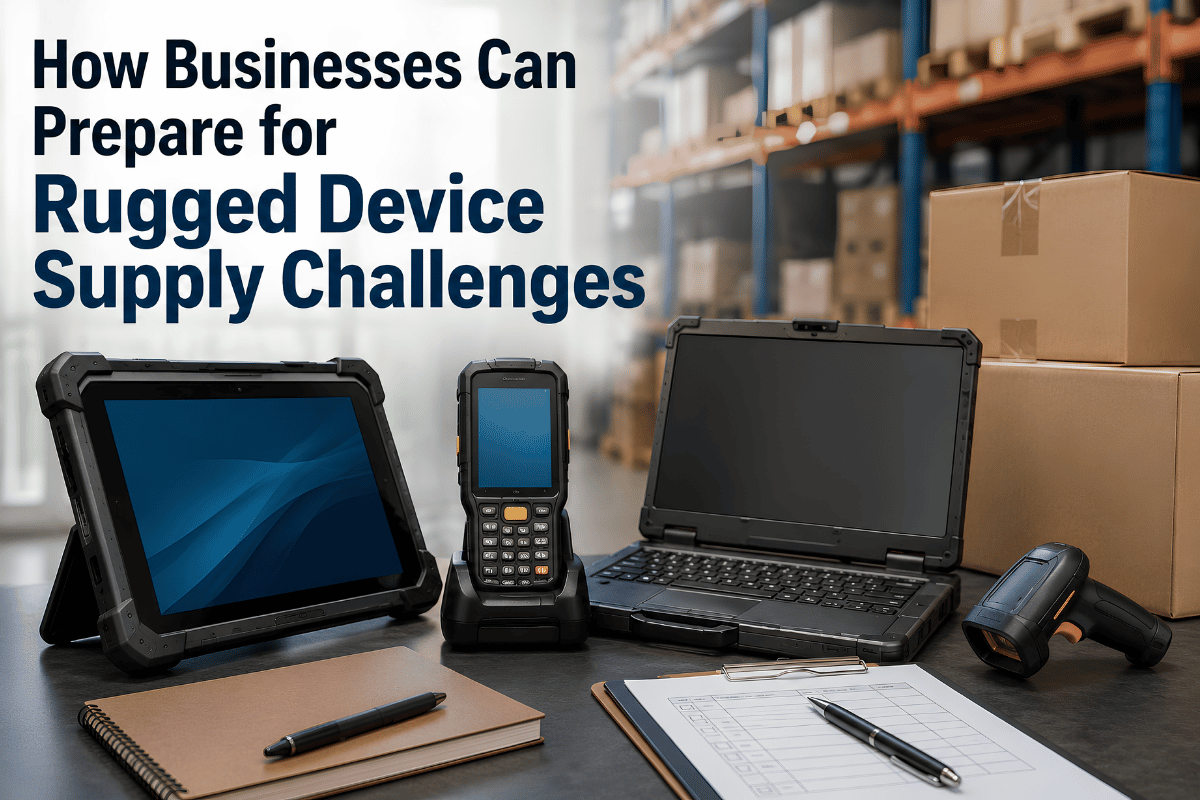
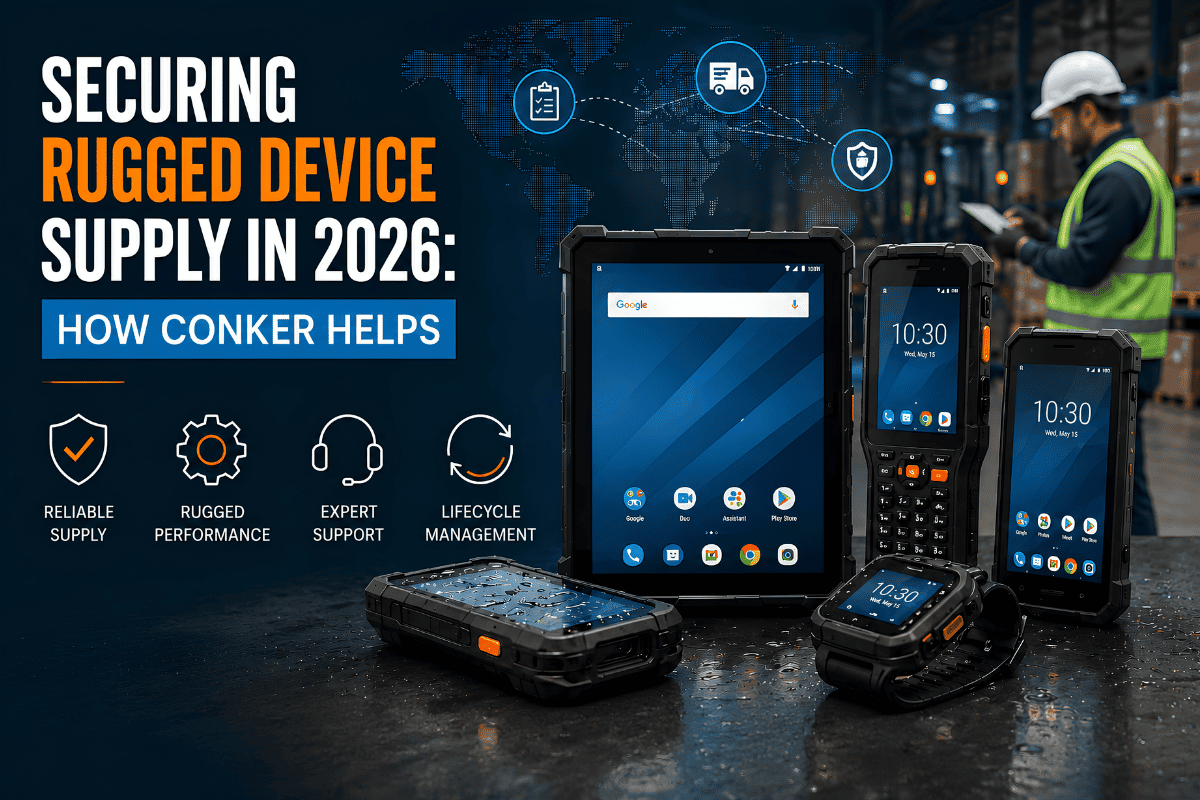
Rugged devices have become essential tools for modern frontline operations. Warehouses use handheld scanners for inventory management, logistics teams rely on rugged tablets for route optimization, and field workers depend on mobile computers to access critical data in real time.
However, supply chain instability continues to create significant challenges for organizations that rely on rugged technology. Component shortages, longer lead times, rising hardware costs, and unpredictable inventory levels are making procurement more complex than ever before. This highlights the growing role of rugged devices in the supply chain industry, where reliable mobile hardware is essential for maintaining visibility, productivity, and operational continuity across frontline environments.
In 2026, businesses can no longer afford to take a reactive approach to device procurement. Organizations that proactively plan for rugged device supply challenges are better positioned to maintain operational continuity, control costs, and avoid costly disruptions.
This guide explores how businesses can prepare for rugged device supply challenges and build a more resilient enterprise mobility strategy.
Why Rugged Device Supply Planning Matters
Rugged devices play a critical role in keeping frontline operations productive.
These devices support:
- Inventory management
- Warehouse operations
- Delivery services
- Manufacturing workflows
- Field service activities
- Healthcare mobility
Unlike consumer devices, rugged hardware is often deployed in environments where reliability is essential. If replacement devices are unavailable when needed, operational disruption can occur almost immediately.
This makes supply planning a strategic business priority rather than simply an IT concern.
Common Rugged Device Supply Challenges
Several factors are currently affecting rugged device availability.
Component Shortages
Many rugged devices rely on specialized components, including processors, storage systems, displays, and memory modules.
Shortages in any of these areas can delay production.
Longer Lead Times
Businesses increasingly face extended wait times for rugged tablets, scanners, industrial laptops, and accessories.
Devices that once shipped within days may now require weeks or months.
Rising Hardware Costs
Limited supply combined with growing demand often leads to higher pricing.
This creates budgeting challenges for organizations managing large fleets.
Inventory Constraints
Manufacturers and distributors may prioritize certain markets or product lines, reducing availability for some businesses.
These challenges highlight the importance of proactive procurement planning.
How Supply Disruptions Impact Business Operations
Supply issues can affect far more than procurement schedules.
When rugged devices are unavailable, businesses may experience:
Operational Downtime
Workers cannot perform critical tasks without the right tools.
Even short delays can impact productivity.
Delayed Deployments
Technology rollouts may be postponed if devices are unavailable.
This can slow broader digital transformation initiatives.
Increased Costs
Emergency purchases often come with higher pricing and expedited shipping expenses.
Mixed Device Fleets
Organizations may purchase alternative hardware when preferred models are unavailable.
Over time, this creates support and compatibility challenges.
The operational impact of supply disruptions can be substantial, particularly for organizations that depend heavily on frontline mobility.
Step 1: Audit Your Current Device Fleet
The first step in preparing for supply challenges is understanding your existing hardware environment.
Businesses should review:
- Device age
- Hardware condition
- Operating systems
- Failure rates
- Warranty status
- Replacement timelines
A thorough audit helps identify devices approaching end-of-life and provides visibility into future procurement requirements.
Organizations that regularly assess their fleets can make better purchasing decisions and avoid last-minute replacements.
Step 2: Standardize Approved Rugged Devices
Standardization is one of the most effective ways to reduce supply-related risk.
By creating an approved hardware list, businesses can:
- Simplify procurement
- Improve software compatibility
- Reduce training requirements
- Streamline support processes
Standardized fleets are also easier to secure and manage.
When devices share similar configurations, deployment and maintenance become far more efficient.
Step 3: Forecast Future Hardware Needs Early
Many businesses still purchase hardware only when devices fail.
This reactive approach increases exposure to shortages and pricing fluctuations.
Instead, organizations should forecast:
- Device replacements
- Workforce expansion
- Seasonal demand spikes
- New project requirements
Planning procurement several months in advance improves flexibility and reduces supply risk.
Forecasting also supports more accurate budgeting.
Step 4: Build Strong Supplier Relationships
Reliable suppliers are valuable partners during periods of supply instability.
Strong vendor relationships provide access to:
- Product roadmaps
- Inventory visibility
- Lead time forecasts
- Alternative hardware recommendations
Businesses that maintain close communication with suppliers are often better positioned to secure critical hardware during shortages.
Long-term partnerships also improve procurement consistency.
Step 5: Implement Lifecycle Management
Lifecycle management is becoming increasingly important in enterprise mobility environments.
A structured lifecycle strategy helps businesses:
- Track device health
- Plan replacements
- Extend hardware longevity
- Reduce downtime
Rather than waiting for devices to fail, organizations can schedule replacements based on performance data and operational requirements.
This proactive approach improves reliability while reducing procurement pressure.
Step 6: Use Mobile Device Management
Mobile Device Management (MDM) solutions provide visibility into device performance and usage.
Businesses can use MDM platforms to:
- Monitor device health
- Track inventory
- Manage software updates
- Improve security
- Identify replacement candidates
By integrating MDM into rugged mobility strategies, businesses gain better control over operational infrastructure.
This data supports more effective procurement planning.
Step 7: Maintain Spare Devices and Accessories
Many organizations underestimate the value of backup inventory.
Keeping spare:
- Tablets
- Handheld scanners
- Batteries
- Chargers
- Accessories
can significantly reduce operational disruption when devices fail.
A small reserve inventory provides flexibility during periods of limited hardware availability.
This approach is especially valuable for organizations supporting critical frontline operations.
Why Rugged Devices Improve Supply Resilience
Although supply challenges affect all hardware categories, rugged devices often offer advantages that improve resilience.
Longer Lifecycles
Rugged devices typically remain operational longer than consumer-grade alternatives.
Lower Failure Rates
Durable designs reduce the likelihood of unexpected failures.
Reduced Replacement Frequency
Businesses need to replace rugged hardware less often, reducing procurement pressure.
Improved Operational Continuity
Reliable hardware helps organizations maintain productivity even during periods of supply uncertainty.
These benefits make rugged technology a strategic investment for businesses operating in demanding environments.
Why Businesses Choose Conker
Many organizations work with Conker because they provide more than rugged devices.
Their approach helps businesses:
- Improve hardware visibility
- Simplify device management
- Reduce downtime
- Extend device lifecycles
- Support long-term procurement planning
This becomes increasingly valuable as supply chain challenges continue affecting enterprise technology markets.
Future Trends in Rugged Device Procurement
Several trends are expected to shape procurement strategies over the coming years.
Increased Forecasting
Organizations will invest more heavily in demand planning and inventory management.
Greater Hardware Standardization
Businesses will prioritize consistent device environments.
Longer Lifecycle Strategies
Companies will focus on maximizing device longevity.
Stronger Supplier Partnerships
Procurement teams will place greater emphasis on long-term vendor relationships.
Increased Investment in Rugged Technology
Durable hardware will continue gaining popularity due to its reliability and operational value.
Conclusion
Supply chain uncertainty is likely to remain a challenge throughout 2026 and beyond.
Businesses that rely on rugged technology must adopt proactive procurement strategies to reduce risk and maintain operational continuity.
By auditing existing fleets, standardizing hardware, forecasting demand, building supplier relationships, implementing lifecycle management, and maintaining backup inventory, organizations can significantly improve resilience.
The companies that plan today will be better prepared to navigate future supply challenges while protecting productivity, controlling costs, and supporting long-term business growth.
Frequently Asked Questions (FAQs)
1. Why are rugged device supply challenges increasing?
Supply challenges are increasing due to component shortages, longer lead times, rising demand, and ongoing supply chain disruptions affecting hardware manufacturers.
2. How do supply shortages impact frontline operations?
Supply shortages can lead to delayed replacements, operational downtime, productivity loss, and higher procurement costs.
3. What is the best way to prepare for rugged device shortages?
Businesses should audit their fleets, standardize hardware, forecast demand, maintain spare inventory, and build strong supplier relationships.
4. Why is lifecycle management important for rugged devices?
Lifecycle management helps organizations plan replacements, extend device longevity, reduce downtime, and improve budgeting accuracy.
5. How does Mobile Device Management support procurement planning?
MDM platforms provide visibility into device health, usage, and inventory, helping businesses make informed replacement and purchasing decisions.
6. How does Conker help businesses manage rugged device supply challenges?
Conker supports organizations through rugged hardware procurement, lifecycle management, fleet standardization, and enterprise mobility services.
7. What rugged solutions does Conker provide?
Conker provides rugged tablets, handheld scanners, industrial laptops, mobile computers, and enterprise mobility solutions.
8. Why are rugged devices a good long-term investment?
Rugged devices offer longer lifecycles, lower failure rates, reduced replacement frequency, and improved reliability compared to consumer-grade hardware.