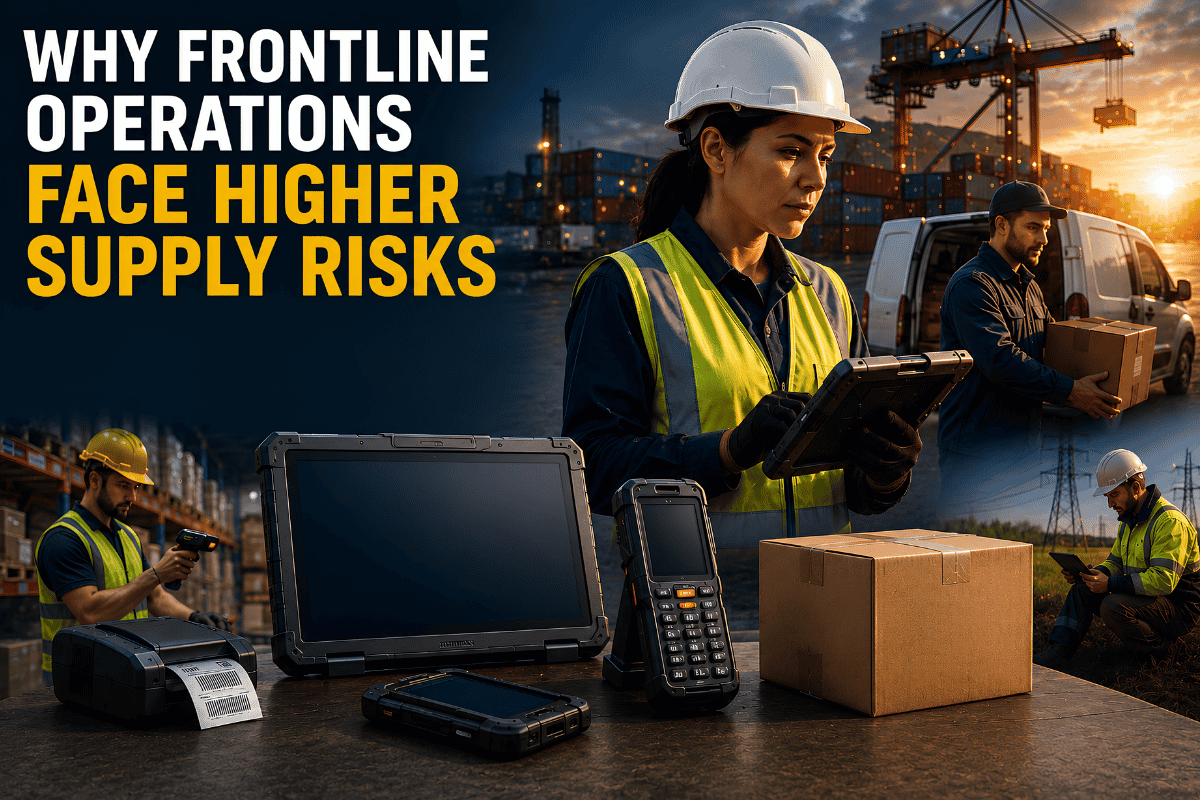
Frontline operations are the backbone of modern industries. Warehouses, logistics companies, healthcare providers, manufacturing plants, field service teams, and delivery networks all depend on frontline workers to maintain daily operations.
Unlike office-based environments, frontline teams rely heavily on physical tools, mobile hardware, rugged devices, inventory systems, and real-time communication technologies to complete critical tasks.
In 2026, ongoing supply chain instability is creating major challenges for these operations. Hardware shortages, delayed replacements, rising procurement costs, and inconsistent device availability are increasing operational risk across multiple industries.
For frontline businesses, even small supply disruptions can quickly impact productivity, customer service, and operational continuity.
What Are Frontline Operations?
Frontline operations refer to industries and workforces directly involved in physical, operational, or customer-facing tasks.
This includes:
- Warehouse workers
- Delivery drivers
- Manufacturing teams
- Utility engineers
- Healthcare staff
- Retail associates
- Logistics coordinators
- Field service technicians
These workers depend on reliable devices and equipment to maintain fast-moving operational workflows.
Why Supply Reliability Matters for Frontline Teams
Frontline operations typically function in real time.
Workers rely on:
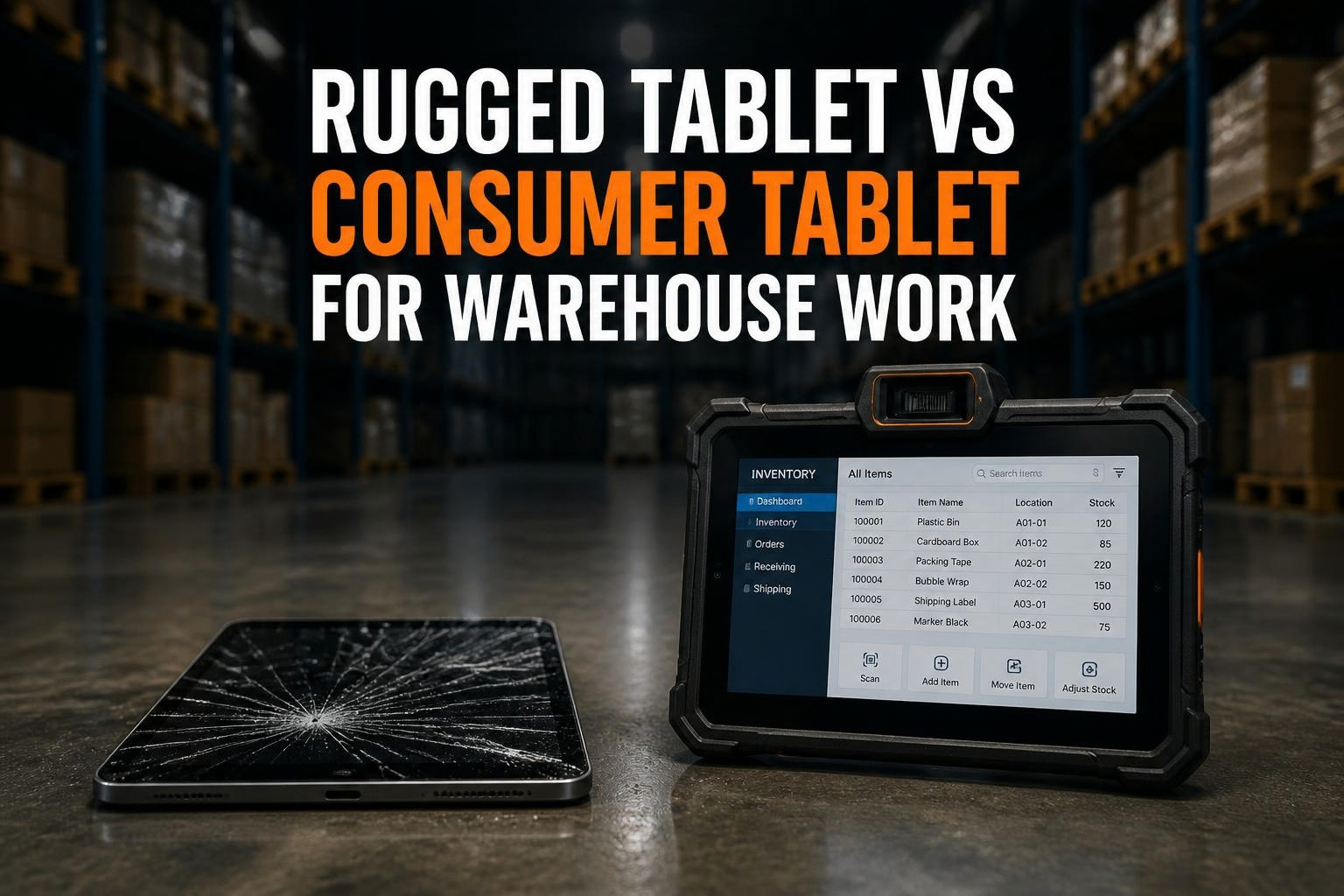
- Rugged tablets
- Barcode scanners
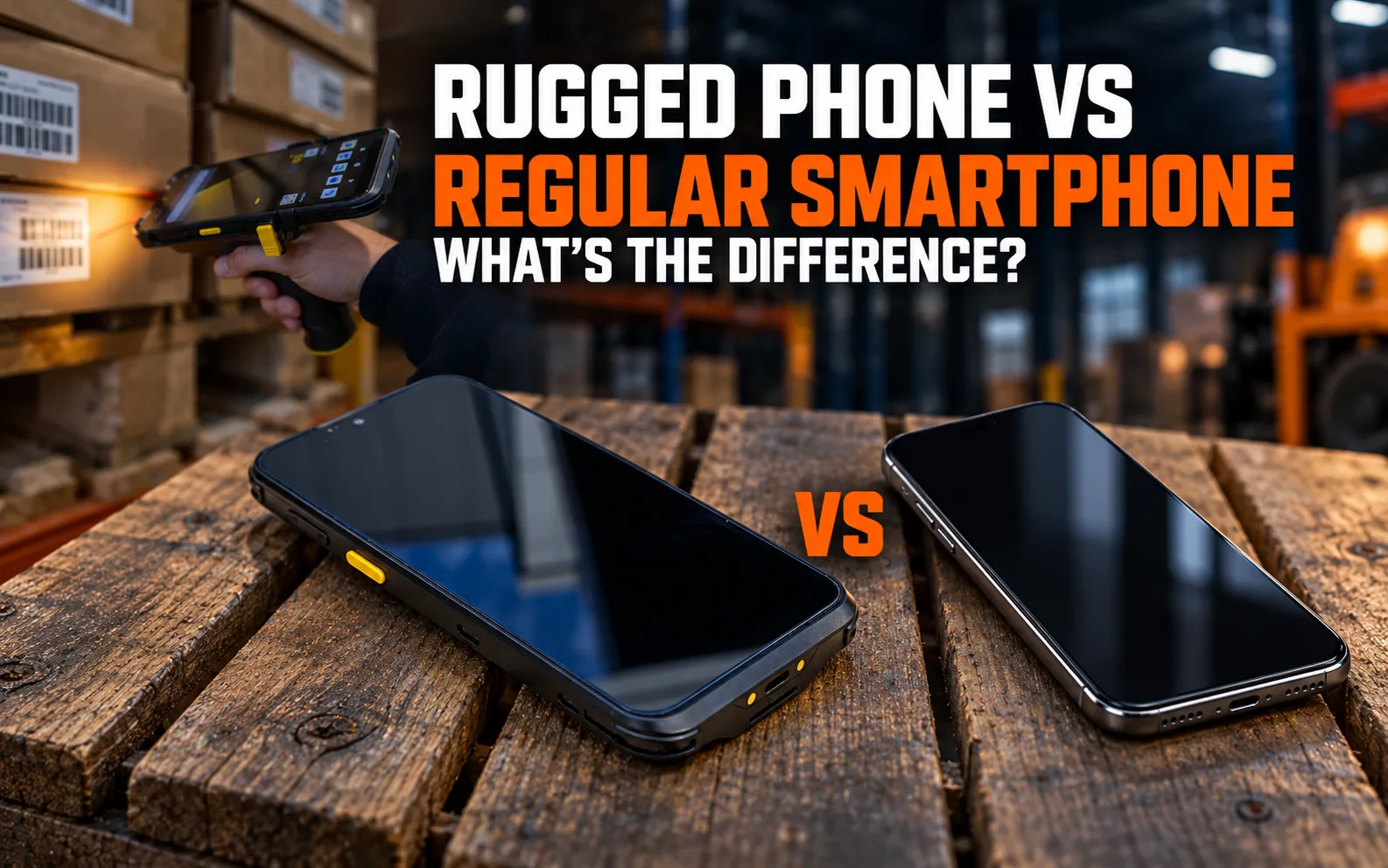
- Mobile computers
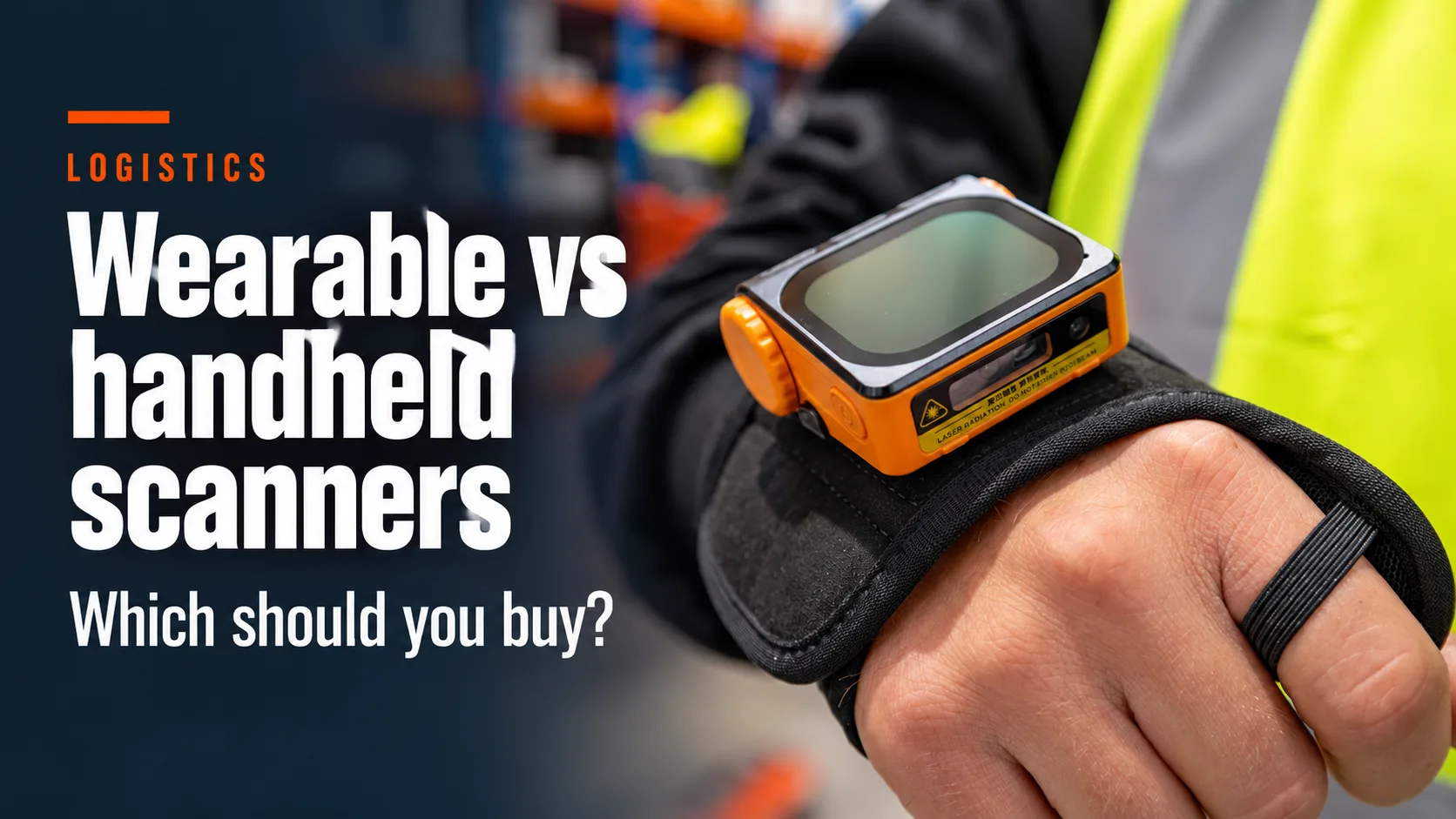
- Wearable devices
- Vehicle-mounted systems
- Real-time inventory tools
When hardware becomes unavailable or delayed, workflows slow immediately.
Unlike office teams that may tolerate temporary delays, frontline operations often require constant uptime to maintain productivity and customer expectations.
Why Frontline Operations Face Greater Supply Risks
Several factors make frontline environments more vulnerable to supply disruptions.
High Device Dependency
Frontline teams rely on hardware continuously throughout the day.
A warehouse scanner failure or a rugged tablet shortage can directly affect:
- Inventory tracking
- Shipping accuracy
- Order fulfillment
- Delivery coordination
- Field reporting
Because operations depend so heavily on mobile technology, device shortages create immediate operational disruption.
Harsh Working Environments
Frontline environments are physically demanding.
Devices are often exposed to:
- Dust
- Water
- Vibration
- Drops
- Extreme temperatures
- Heavy daily usage
This causes higher wear rates compared to office equipment, increasing replacement demand.
Businesses without durable hardware strategies may experience more frequent procurement pressure.
Faster Hardware Replacement Cycles
Frontline devices generally require replacement more often than traditional office equipment.
This increases dependency on:
- Reliable suppliers
- Spare inventory
- Long-term procurement planning
- Hardware availability
When supply chains become unstable, replacement delays can quickly affect operations. This is one reason businesses are recognizing Why Rugged PC Devices Are the Optimal Choice for Frontline Workers, especially in demanding environments where reliability, durability, and long-term performance are critical.
Limited Inventory Availability
Many organizations rely on just-in-time procurement models.
However, supply chain disruptions often reduce hardware availability for:
- Rugged tablets
- Barcode scanners
- Batteries
- Charging accessories
- Industrial handhelds
Limited inventory creates additional pressure on procurement teams.
How Supply Chain Disruptions Affect Frontline Operations
Supply instability affects frontline businesses in several critical ways.
Increased Downtime
When replacement hardware is unavailable, employees may be forced to share devices or continue using outdated systems.
This can reduce:
- Productivity
- Workflow speed
- Accuracy
- Operational efficiency
Downtime becomes especially costly in industries with time-sensitive workflows.
Delayed Projects and Deployments
Businesses planning technology rollouts often experience delays when hardware cannot be delivered on time.
This affects:
- Warehouse upgrades
- Fleet modernization
- Field service deployments
- Expansion projects
- Digital transformation initiatives
Delayed hardware slows broader operational progress.
Rising Procurement Costs
Supply shortages usually increase pricing.
Businesses may face:
- Higher hardware costs
- Increased shipping expenses
- Emergency procurement fees
- Expedited replacement costs
Large organizations managing hundreds or thousands of devices are particularly vulnerable to rising procurement expenses.
Mixed Device Fleets Become More Common
When preferred devices are unavailable, businesses may purchase alternative hardware simply to maintain operations.
Over time, this creates inconsistent hardware fleets containing:
- Different operating systems
- Multiple manufacturers
- Incompatible accessories
- Varying support requirements
Mixed fleets increase operational complexity significantly.
Why Mixed Hardware Increases Frontline Risk
Hardware inconsistency creates several operational challenges.
Training Difficulties
Employees using different devices may struggle with inconsistent workflows and interfaces.
Training new workers also becomes more complicated.
Software Compatibility Problems
Enterprise applications may not function consistently across different hardware environments.
This can create:
- Connectivity issues
- Workflow interruptions
- Integration challenges
Increased IT Complexity
Supporting multiple device types increases troubleshooting requirements for IT teams.
This slows deployments and increases operational costs.
Reduced Operational Visibility
Managing mixed fleets makes it harder to monitor:
- Device health
- Security updates
- Usage patterns
- Software performance
Operational visibility becomes more fragmented over time.
Why Rugged Devices Help Reduce Supply Risk
Many businesses are investing in rugged devices to improve operational resilience.
Rugged hardware is designed for:
- Long lifecycles
- Harsh environments
- Lower failure rates
- Enterprise reliability
This reduces replacement frequency and improves long-term stability.
Businesses evaluating mobility infrastructure are increasingly researching Rugged Device Trends to Watch as supply chain resilience becomes more important.
Frontline Industries Most Affected by Supply Risks
Several industries face particularly high operational exposure.
Logistics and Warehousing
Warehouse operations rely heavily on barcode scanners, handhelds, and mobile inventory systems. This growing dependence on mobile technology is increasing demand for Rugged Devices for Logistics and Supply Chain operations that require fast, accurate, and uninterrupted workflow management.
Even short hardware shortages can disrupt:
- Shipping workflows
- Inventory accuracy
- Order fulfillment
Manufacturing
Manufacturing environments require durable hardware for production monitoring and operational reporting.
Delayed replacements can affect factory productivity and equipment monitoring.
Healthcare
Healthcare organizations increasingly depend on mobile devices for patient management and communication.
Supply delays may slow device rollouts and increase operational pressure on care teams.
Field Service Operations
Utility workers and field technicians rely on rugged devices for communication, diagnostics, and reporting.
Reliable hardware availability is essential for maintaining service continuity.
The Growing Importance of Lifecycle Planning
Businesses are realizing that reactive procurement creates long-term operational risk.
Lifecycle planning helps organizations:
- Forecast hardware demand
- Standardize device fleets
- Reduce downtime
- Improve budgeting
- Maintain operational continuity
Effective lifecycle strategies are becoming essential for enterprise mobility management.
Best Practices to Reduce Frontline Supply Risks
Organizations can reduce operational disruption through proactive planning.
Standardize Hardware Fleets
Standardized devices simplify:
- Training
- Support
- Security management
- Software compatibility
Build Long-Term Supplier Relationships
Reliable supplier partnerships improve procurement visibility and hardware availability.
Maintain Spare Device Inventory
Backup inventory helps businesses respond quickly to device failures.
Use Mobile Device Management (MDM)
MDM platforms improve:
- Device visibility
- Security monitoring
- Software management
- Fleet control
Businesses using Powerful MDM Software often manage frontline hardware environments more efficiently.
Invest in Durable Technology
Long-lasting rugged hardware reduces replacement frequency and operational instability.
How Conker Supports Businesses in Reducing Frontline Supply Risks
Conker support organizations in building more resilient frontline mobility environments through rugged technology solutions and lifecycle support.
Their services include:
- Rugged hardware procurement
- Enterprise mobility support
- Device lifecycle management
- Hardware standardization
- Mobility deployment assistance
This helps businesses reduce downtime and improve operational reliability during periods of supply instability.
Why Hardware Standardization Matters More in 2026
As supply chains remain unpredictable, businesses are focusing more heavily on standardization.
Consistent hardware environments improve:
- Operational scalability
- Device support
- Procurement planning
- Security management
- Workforce productivity
Organizations with proactive mobility strategies are generally better prepared to manage future supply challenges.
Future Trends in Frontline Operations
Several trends are expected to shape frontline mobility over the next few years.
Increased Rugged Device Adoption
More businesses will prioritize durable enterprise-grade hardware.
Longer Device Lifecycles
Organizations will focus on extending hardware usability.
AI-Powered Device Management
AI-driven analytics will improve hardware monitoring and maintenance planning.
Greater Supply Chain Visibility
Businesses will invest more heavily in procurement forecasting and supplier transparency.
Conclusion
Frontline operations face higher supply risks because they depend heavily on reliable hardware, real-time workflows, and operational continuity.
Supply chain disruptions, rising hardware costs, and inconsistent device availability are forcing businesses to rethink procurement and mobility strategies in 2026.
Organizations that invest in lifecycle planning, rugged hardware, supplier partnerships, and fleet standardization will be better positioned to reduce operational disruption and maintain long-term productivity.
Reliable enterprise mobility is no longer just an IT priority; it is now a critical business continuity strategy.
Frequently Asked Questions (FAQs)
1. What are frontline operations?
Frontline operations include industries and workers directly involved in physical, customer-facing, or operational tasks such as logistics, manufacturing, healthcare, and field services.
2. Why do frontline operations face higher supply risks?
Frontline teams rely heavily on mobile devices, rugged hardware, and real-time workflows, making them more vulnerable to shortages and procurement delays.
3. How do supply chain disruptions affect frontline teams?
Supply disruptions can increase downtime, delay hardware replacements, reduce productivity, and slow operational workflows.
4. Why are rugged devices important for frontline operations?
Rugged devices offer better durability, longer lifecycles, lower failure rates, and improved reliability in harsh working environments.
5. What problems do mixed device fleets create?
Mixed hardware fleets increase IT complexity, training challenges, software compatibility issues, and security management difficulties.
6. How does Conker help reduce frontline supply risks?
Conker helps businesses reduce supply risk through rugged hardware solutions, lifecycle management, and enterprise mobility support.
7. What rugged solutions does Conker provide?
Conker provides rugged tablets, handheld scanners, industrial laptops, wearable devices, and mobility management solutions.
8. How can businesses improve frontline supply resilience?
Businesses can improve resilience through lifecycle planning, supplier partnerships, hardware standardization, spare inventory management, and durable technology investments.