Introduction: Why Warehouse Scanning Systems Matter Today
Warehouses move faster than ever. Customer expectations are rising, product ranges are expanding, and delivery windows are shrinking. To keep up, businesses need tools that eliminate waste, reduce errors, and give teams more control over daily workflows. This is where warehouse scanning systems become essential.
Experts in supply chain technology agree that barcode scanning remains one of the most reliable ways to track goods, validate data, and streamline tasks. Decades of research from logistics bodies and operational engineering confirm a consistent message: automated data capture improves accuracy, reduces time spent, and supports strong productivity across fulfillment, retail, manufacturing, and storage facilities.
In this guide, we explore how warehouse scanning systems work, why they improve performance, and how the right devices can empower teams to work with confidence. For deeper insight into device performance, you can explore how leading rugged scanners transform workflows through the article Revolutionise Operations through Barcode Scanners.
What Is a Warehouse Scanning System
A warehouse scanning system is a combination of hardware, software, and data processes that help workers capture and record information with speed and precision. These systems include mobile scanners, handheld computers, wearable scanners, tablets with scanning modules, and backend software that connects the data to inventory databases.
Scanning systems help warehouse teams complete essential tasks such as:
- Receiving goods and validating shipments
- Tracking inventory levels in real time
- Managing pick and pack operations
- Confirming dispatch accuracy
- Maintaining audit trails for compliance
- Reducing manual paperwork and data entry errors
Decades of supply chain studies highlight that even small improvements in data accuracy have a significant impact on cost savings and customer satisfaction. Modern scanning systems achieve this by automating what humans used to do manually.
How Scanning Systems Improve Warehouse Productivity
Warehouse productivity is shaped by accuracy, speed, and worker efficiency. Scanning systems support all three. Below are the most impactful improvements backed by industry research.
1. Faster Task Completion
Workers save valuable seconds on every scan. When multiplied across thousands of items per day, this creates large operational gains. Research in warehouse engineering shows that barcode scanning is up to 40 times faster than manual input.
2. Improved Accuracy and Fewer Mistakes
Human errors in data entry can cost warehouses millions annually. Scanners reduce these mistakes by automatically validating product codes, quantities, and locations. This leads to fewer picking errors, fewer returns, and better customer satisfaction.
3. Real-Time Visibility
Warehouse teams rely on real-time inventory data to prevent stockouts and ensure smooth order flow. Scanning devices keep data updated the moment products move. Managers gain instant visibility, enabling better planning and routing.
4. Better Worker Productivity
The right handheld scanner or mobile device helps workers stay active without constant backtracking or rechecking. Ergonomics also play a role. Light, rugged devices minimize fatigue and increase worker confidence.
5. Reliable Tracking for Audits and Compliance
Scanning systems generate digital logs of every action. This supports compliance with safety standards, customer contracts, food safety requirements, and international logistics protocols.
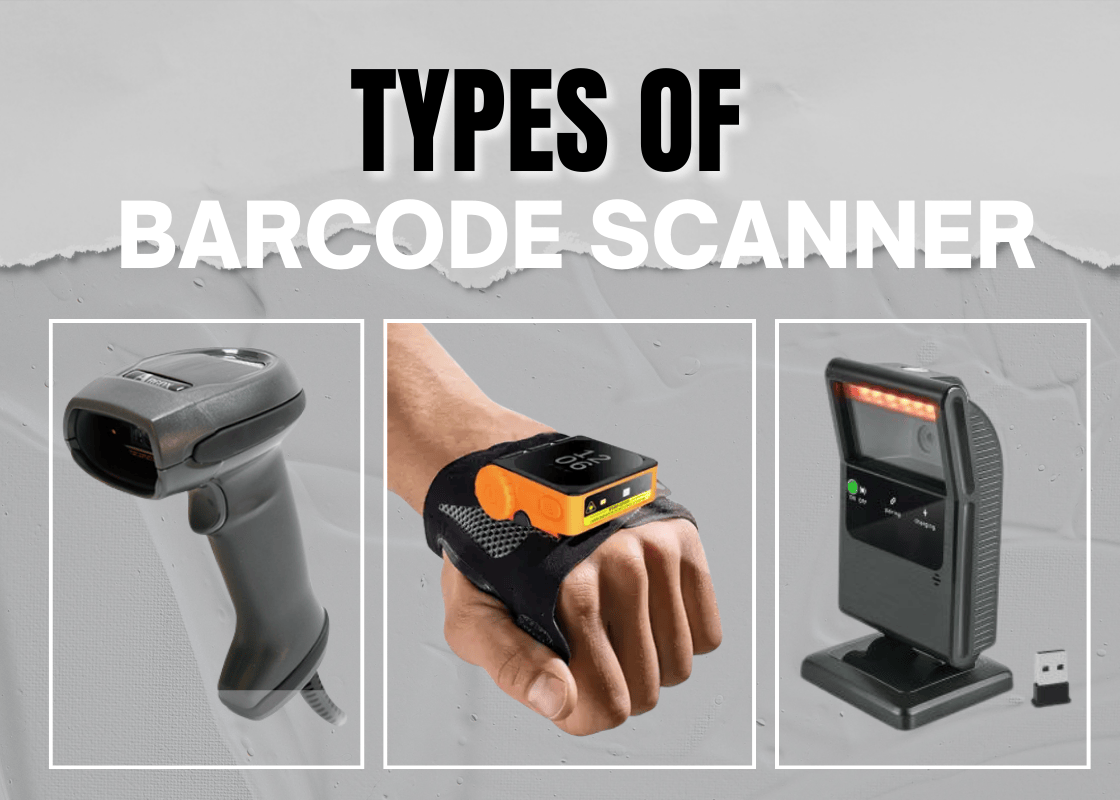
Types of Warehouse Scanning Systems
To choose the right system, it is important to understand the main types available today.
1. Handheld Barcode Scanners
These are mobile devices that allow workers to scan products quickly. Rugged versions are ideal for heavy environments. Learn more through this related resource that explains the Benefits of Handheld Barcode Scanners in logistics and delivery scenarios.
2. Wearable Scanners
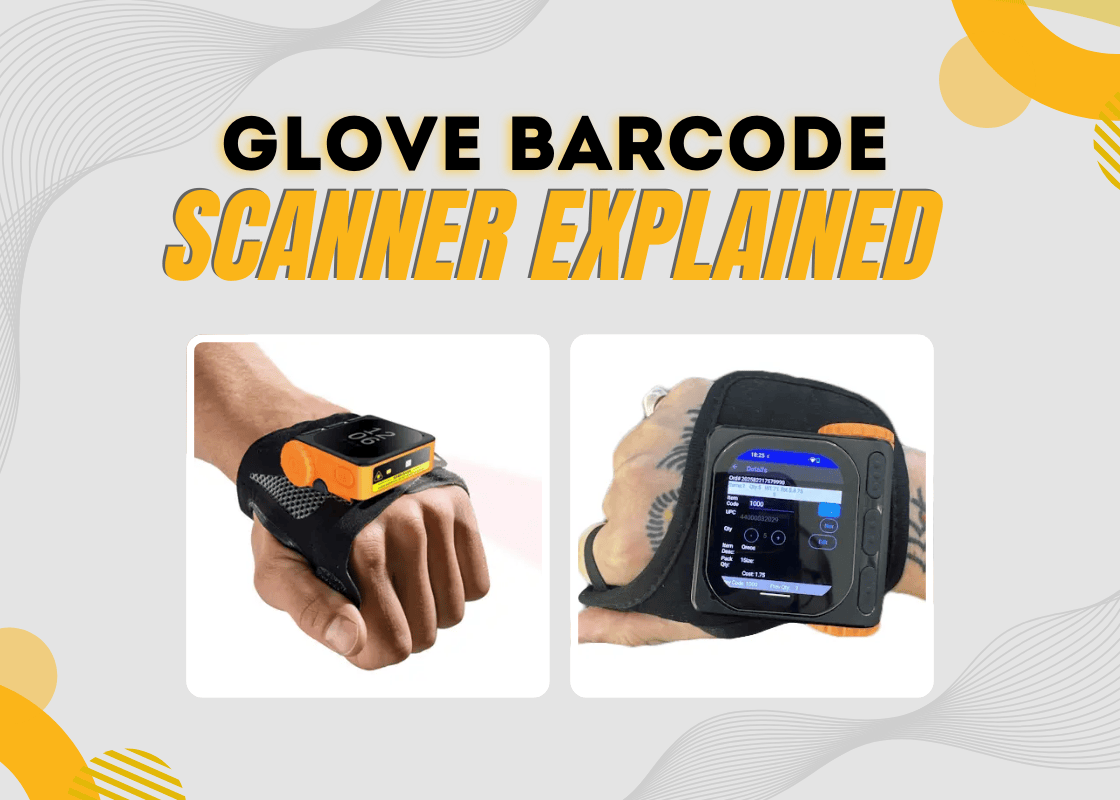
Wearable scanners attach to gloves, wrists, or rings. They allow hands-free operation, reducing worker strain and speeding up picking tasks.
3. Fixed-Mount Scanners
These scanners are installed at conveyor lines or sorting stations. They automate scanning without stopping product movement.
4. Tablet and Mobile Computer Scanners
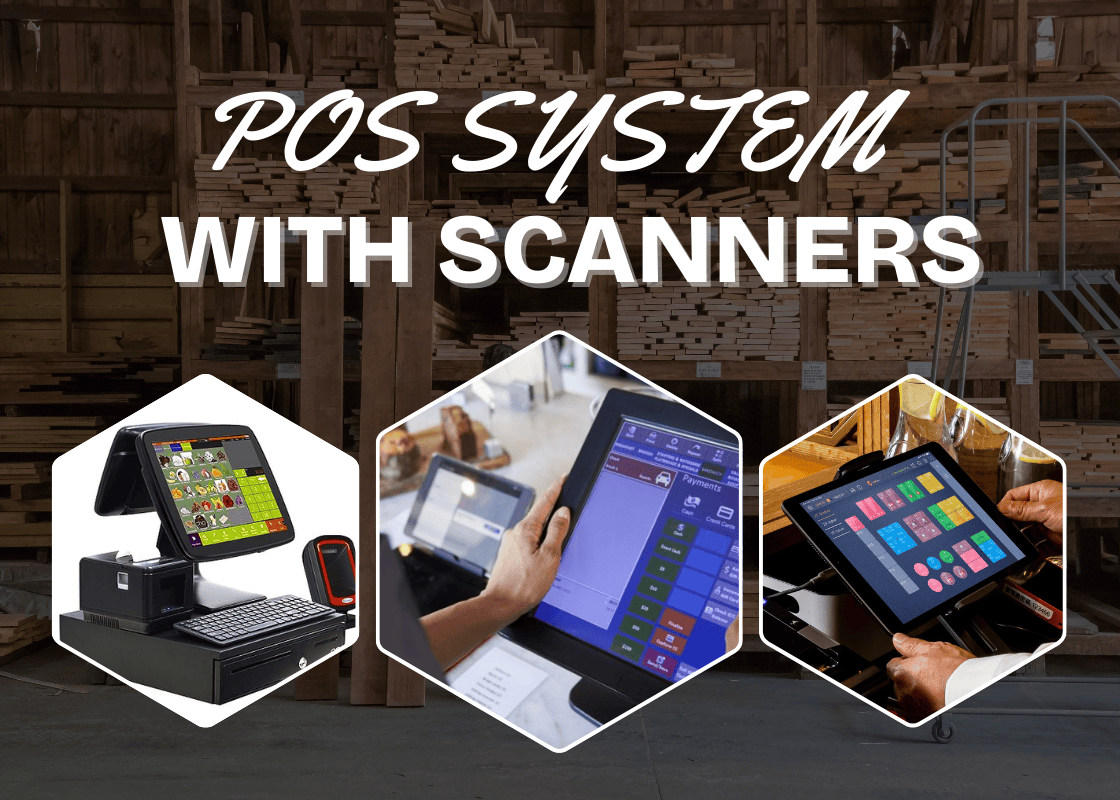
Rugged tablets with integrated or add-on scanning modules give workers larger screens and multifunction tools in one device. They are ideal for inventory checks, reporting, and scanning long barcodes.
5. Long-Range Scanners
These scanners capture barcodes from several meters away. They are designed for high racks, wide aisles, and outdoor warehouses.
Choosing the Right Scanning System for Your Warehouse
Selecting the best scanning system depends on your workflow, environment, and operational goals. Below are the most important factors experts recommend considering.
Scanning Range
For small products and close operations, a standard range is enough. Warehouses with tall racks require long-range scanning to prevent workers from constantly climbing or repositioning.
Environment Conditions
Dust, moisture, drops, and temperature changes can damage non-rugged devices. Durable scanners reduce downtime and maintenance costs.
Connectivity Options
Your scanning system should work seamlessly with your Warehouse Management System (WMS). Devices may use WiFi, Bluetooth, 4G, or 5G depending on facility layout.
Battery Performance
A single shift should not require multiple recharges. High-capacity batteries reduce downtime and avoid workflow interruptions.
Barcode Type Compatibility
From 1D barcodes to 2D QR codes, ensure your scanners support every code used across your supply chain.
What Makes a Scanning System Powerful
Experts often evaluate scanners based on the following abilities:
- Scan through damaged or torn labels
- Read barcodes in low light
- Maintain high accuracy at extreme angles
- Function without lag during continuous scanning
- Store data offline when necessary
These capabilities accelerate operations and ensure reliability during peak demand.
How Scanning Systems Support Key Warehouse Workflows
1. Receiving and Putaway
Scanners capture product information the moment goods arrive. Items can be directed to the correct bin faster, with fewer holding delays.
2. Picking
Scanning during picking prevents mistakes, allows faster navigation, and ensures workers grab the exact items required. Wearable scanners are especially effective here.
3. Packing and Shipping
Workers validate outgoing orders, ensuring customer shipments are accurate. This reduces return rates and improves the shopper experience.
4. Inventory Counting
Cycle counts become much easier. Scanners help teams update stock levels instantly, providing accurate numbers without shutting down operations.
Benefits of Using Rugged Scanners in Warehouses
Rugged scanners are designed for challenging environments. Their advantages include:
- Higher drop tolerance
- Resistance to dust, water, and chemicals
- Long-lasting batteries
- Better grip and ergonomics
- Strong processors for high-volume scanning
Rugged devices drastically reduce downtime by avoiding damage that commonly affects consumer-grade devices.
Advanced Technologies Shaping Warehouse Scanning Systems
Warehouses are embracing new innovations that add even more value.
1. AI-Assisted Scanning
Artificial intelligence helps scanners recognize damaged labels, distorted barcodes, or mislabeled products with far greater accuracy.
2. Cloud Data Syncing
Real-time cloud syncing keeps entire teams connected across multiple warehouses.
3. Predictive Maintenance
Some scanners monitor their own performance and alert managers before issues occur. This protects operational flow and prevents costly delays.
4. Integrated Reporting Tools
Modern devices include dashboards that show stock trends, worker performance, and order accuracy. This supports better planning and resource allocation.
Linking Scanning Systems with Inventory Management
For a deeper understanding of how scanning impacts inventory management and commerce, explore this detailed Guide to barcode scanning that highlights best practices used across industries.
Expert Tips to Maximize Productivity with Scanning Systems
To unlock the full power of your scanning system, follow these proven strategies.
1. Choose the Right Device for Every Role
Pickers, packers, supervisors, and receivers may require different devices.
2. Train Workers Regularly
Training improves speed, reduces mistakes, and boosts team confidence.
3. Update Your WMS
Scanning systems work best with updated warehouse software that supports fast syncing.
4. Label Clearly
Labels should be printed cleanly and placed consistently across products.
5. Review Performance Data Frequently
Use device reports to identify opportunities for workflow improvement.
Frequently Asked Questions (FAQs)
What is the purpose of a warehouse scanning system
It helps teams track products, record data accurately, and complete warehouse tasks with speed.
Are rugged scanners better for warehouses
Yes, rugged scanners resist drops, dust, and temperature changes, making them more reliable for demanding environments.
Can scanning systems work with old warehouse software
Many can, but performance improves significantly when paired with modern WMS solutions.
Are wearable scanners worth it
Wearables improve picking speed and reduce worker fatigue, especially in high-volume operations.
Do scanners work with both 1D and 2D barcodes
Most modern devices support both, but verifying compatibility is important before purchasing.
Conclusion: Transform Your Warehouse Performance
Warehouse scanning systems give businesses a powerful advantage. They support faster processing, higher accuracy, and stronger confidence across the entire workflow. With the right system in place, every shift becomes more efficient, every worker becomes more effective, and every customer enjoys a better experience. Modern warehouses win by staying smart, connected, and reliable.