In today’s fast-paced business landscape, efficiency, accuracy, and real-time visibility are paramount. Companies across warehousing, logistics, retail, and manufacturing rely on cutting-edge technology to streamline operations. One such indispensable tool is the radio frequency scanner, a device that has redefined inventory management, asset tracking, and data collection. Understanding what a radio frequency (RF) scanner is, how it works, and why it’s crucial for modern business operations can help organizations make smarter investment decisions and optimize workflows effectively.
What is a Radio Frequency Scanner?
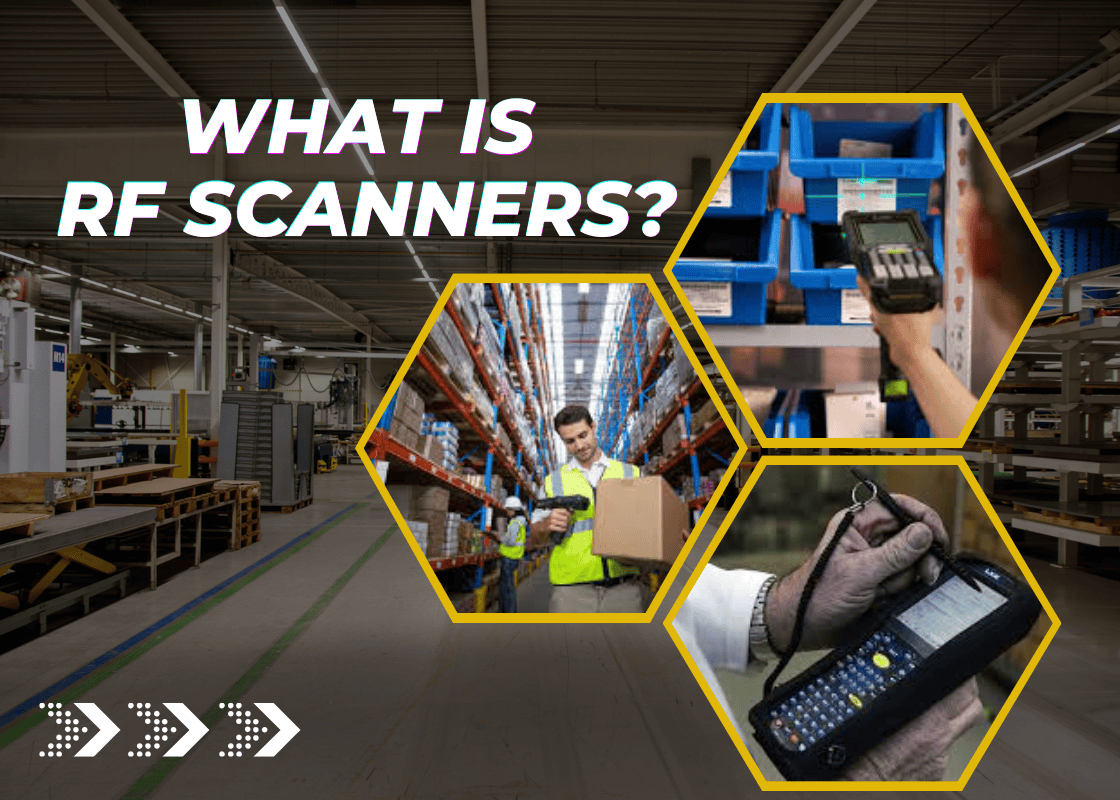
A radio frequency scanner is a handheld or fixed device that communicates with a central system via radio waves to collect, transmit, and update data in real time. Unlike traditional scanners that rely solely on wired connections, RF scanners leverage wireless communication to provide mobility, flexibility, and real-time updates.
These scanners are widely used in environments where tracking large volumes of items or assets quickly is essential. By using radio signals to transmit information, they eliminate the delays associated with manual data entry or batch processing. This capability transforms inventory management from a time-consuming task into an efficient, data-driven process.
How Radio Frequency Scanners Work
RF scanners operate on the principle of wireless communication. When an item with a barcode or RFID tag is scanned, the device captures the encoded information and transmits it via a radio-frequency signal to a central server or host system. This allows for instantaneous updates to inventory databases, enabling managers to monitor stock levels, track assets, and generate reports in real time.
Key components of RF scanners include:
- Scanner Engine: Reads barcodes or RFID tags accurately, even in challenging conditions.
- Wireless Module: Transmits scanned data over radio frequencies to the central system.
- Battery and Power Management: Ensures long operational hours for uninterrupted workflow.
- Software Interface: Integrates with inventory or warehouse management systems for seamless data flow.
By connecting directly to enterprise systems, RF scanners reduce errors associated with manual data entry, enhance operational accuracy, and accelerate decision-making.
Applications Across Industries
RF scanners are remarkably versatile and have transformed several industries:
- Warehousing and Logistics: From tracking shipments to managing warehouse inventory, RF scanners improve visibility and reduce operational bottlenecks. Companies can efficiently monitor stock levels, location, and movement of goods. For businesses exploring hardware designed for demanding warehouse environments, Top Rugged Handheld PDAs offer robust options that pair perfectly with RF scanning solutions.
- Retail: Real-time stock updates and quick checkouts are made possible by RF scanners, enhancing the customer experience and reducing stockouts.
- Manufacturing: Tracking parts, components, and finished goods ensures production continuity and reduces losses.
- Healthcare: Managing medical supplies, pharmaceuticals, and equipment becomes faster and more accurate, ensuring patient safety and regulatory compliance.
Advantages of Using Radio Frequency Scanners
Investing in RF scanners brings numerous benefits that can significantly improve operational efficiency:
- Real-Time Data Access: Managers and employees can instantly access inventory levels and asset locations.
- Error Reduction: Automatic data capture eliminates mistakes common with manual processes.
- Enhanced Mobility: Wireless functionality allows staff to move freely without disrupting communication.
- Scalability: RF systems can easily integrate with existing enterprise systems, supporting growing operations.
- Durability: Many RF scanners are designed to withstand tough environments, including warehouses, manufacturing floors, and outdoor logistics operations.
These advantages contribute to cost savings, faster operations, and improved productivity. Businesses no longer need to rely on delayed batch processing or manual reconciliation, which historically slowed workflows.
Types of Radio Frequency Scanners
RF scanners come in various forms, tailored to different operational needs:
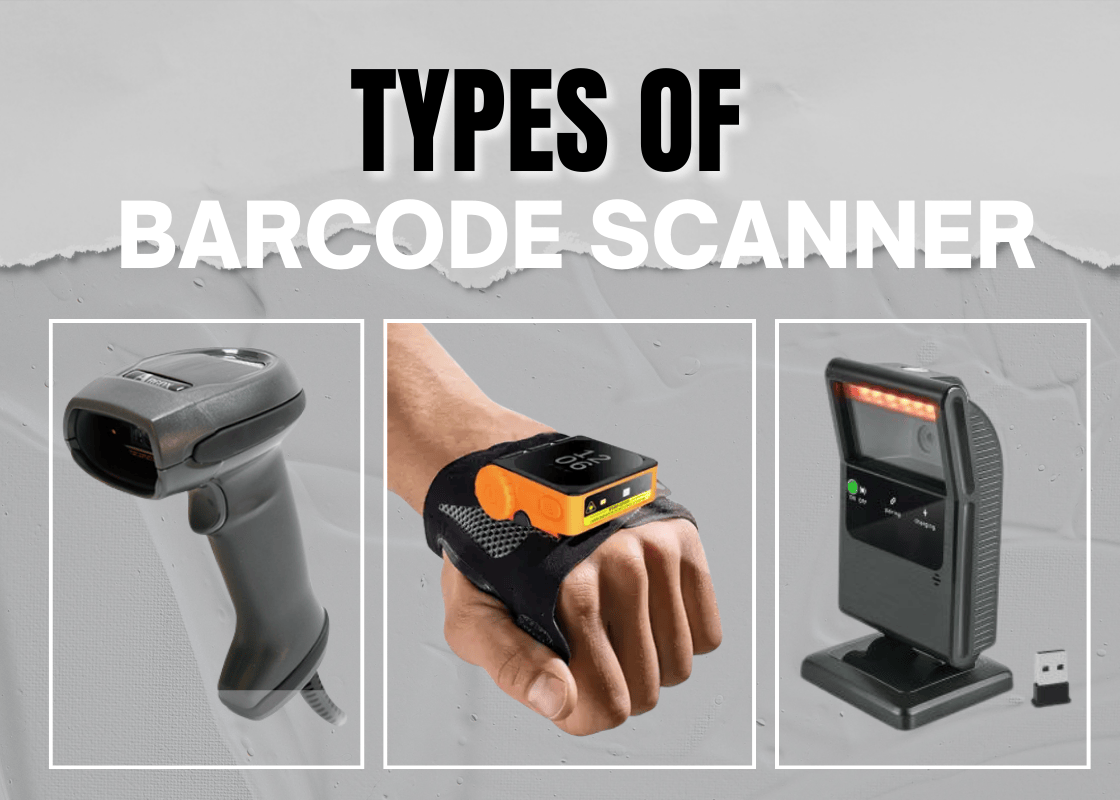
- Handheld RF Scanners: Compact and user-friendly, ideal for mobile scanning tasks in warehouses or retail stores. They offer comfort for long shifts while maintaining scanning accuracy.
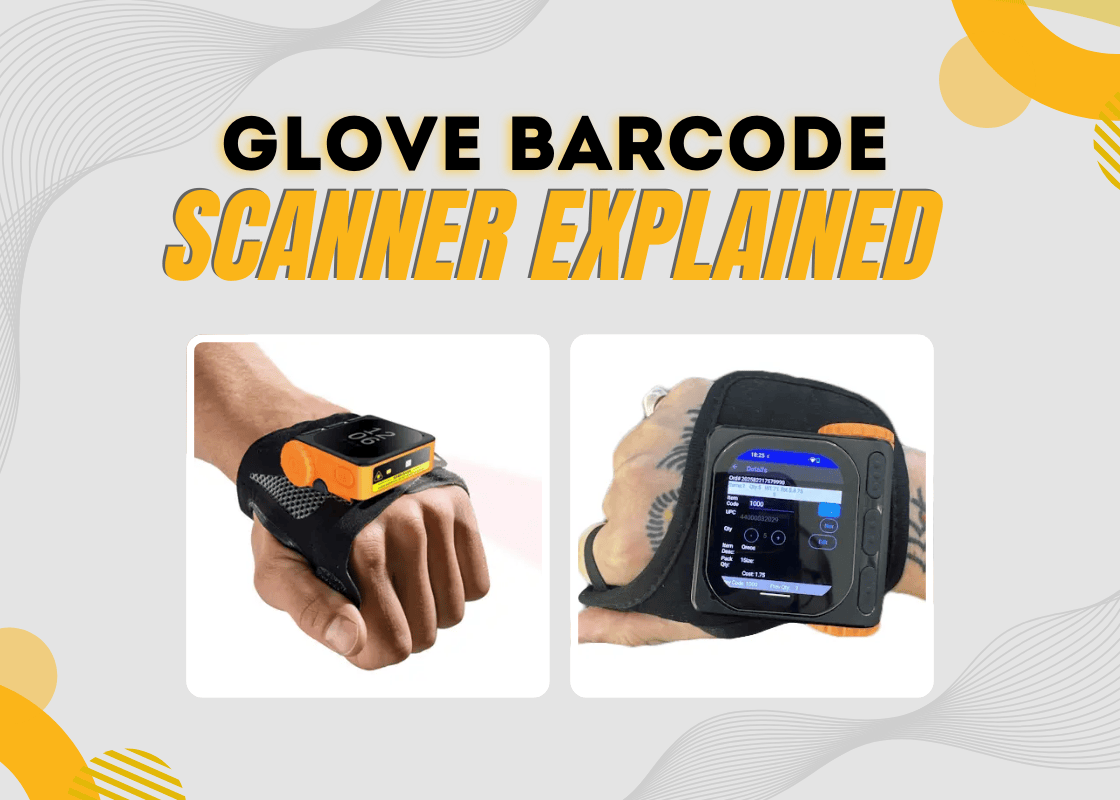
- Wearable RF Scanners: Designed for hands-free scanning, these devices increase speed and efficiency, particularly in high-volume environments.
- Fixed RF Terminals: Stationary scanners installed at key points, often used in shipping areas or production lines for continuous data capture.
By selecting the right type, organizations can optimize workflows and match their scanning strategy with operational requirements.
Integration with Advanced Technologies
Modern RF scanners do more than just read barcodes; they integrate with other technologies to elevate operational efficiency. For example, pairing RF scanners with RFID technology allows businesses to track multiple items simultaneously without direct line-of-sight scanning. This creates a more dynamic and responsive inventory system. Learn more about Barcode scanners and RFID Technology to explore how these innovations complement RF scanning for maximum impact.
Additionally, many RF scanners are compatible with rugged devices such as Rugged Android Devices, which provide long battery life, durability, and enhanced connectivity. These combinations are particularly valuable in industrial or outdoor environments, where conventional devices may fail.
Selecting the Right RF Scanner for Your Business
Choosing the best RF scanner requires careful consideration of operational needs, environment, and workflow requirements. Key factors to evaluate include:
- Durability: Will the scanner withstand drops, dust, or extreme temperatures?
- Connectivity Range: Does the wireless communication meet your facility’s layout and coverage needs?
- Battery Life: Can the device operate for long shifts without frequent recharging?
- Compatibility: Does it integrate seamlessly with your inventory, warehouse, or ERP systems?
- Ergonomics: Is the device comfortable for employees during prolonged use?
Investing time in understanding these factors ensures long-term efficiency gains and return on investment.
Frequently Asked Questions (FAQs)
How is an RF scanner different from a traditional barcode scanner?
RF scanners transmit data wirelessly in real-time, while traditional barcode scanners often rely on wired connections or batch processing.
Can RF scanners work with RFID tags?
Yes, many RF scanners are compatible with RFID, enabling simultaneous scanning of multiple items without line-of-sight.
Are RF scanners durable for industrial environments?
Yes, there are rugged RF scanners and devices designed to operate in harsh conditions, including dust, moisture, and extreme temperatures.
How does RF scanning improve efficiency in warehouses?
By providing real-time inventory visibility, reducing manual entry errors, and enabling faster stock management, RF scanning streamlines operations.
Conclusion
Radio frequency scanners are revolutionizing how businesses manage assets, inventory, and workflows. With real-time data, reduced errors, and enhanced mobility, they enable organizations to operate efficiently and accurately. When paired with technologies like RFID and rugged devices such as Top Rugged Handheld PDAs and Rugged Android Devices, RF scanners deliver faster, more reliable, and insight-driven operations.
Adopting RF scanners transforms traditional workflows into agile, data-driven processes that boost productivity, optimize inventory, and improve the customer experience. In today’s competitive landscape, these devices are essential for growth, efficiency, and operational excellence.